A business trip to Bali brought me a long-awaited dining experience. Many years ago, as a young couple visiting Amsterdam, my husband and I had longingly read the lengthy menus posted at restaurants serving rijsttafel, the Dutch-Indonesian rice table. Sambals, curries, pickled vegetables, soups, rice dishes, fish, coconut – this list went on, and sadly, so did we. Even if the rijsttafel had not been beyond our modest budget, a two-to-three hour restaurant meal with our 4-and-8-year-old children was out of the question.
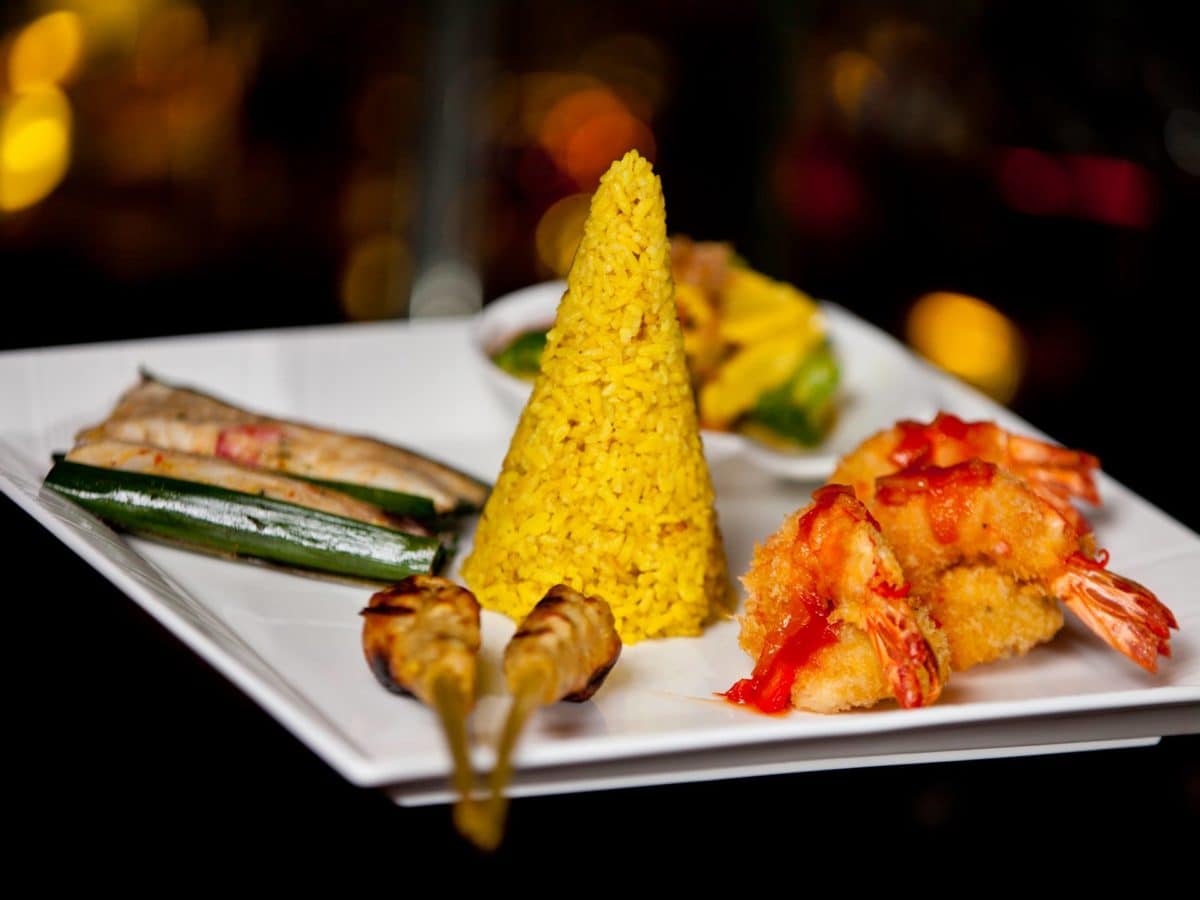
I never returned to Amsterdam, and that missed rijsttafel remained tucked away in my food memory for many years until Chef Nik Vanderbeeken brought it to life. On a tropical evening, seated at the elegantly appointed outdoor restaurant of the Viceroy Bali hotel overlooking the Petanu River Gorge on the jungle edge of Ubud, I sampled my way through ten different dishes plus multiple condiments, tasting the flavors of Indonesia’s far flung islands. The centerpiece of the meal was a perfectly shaped cone of rice that came to the table wrapped in banana leaves. Once everyone at the table was seated, the leaves were dramatically lifted off the rice by the server.
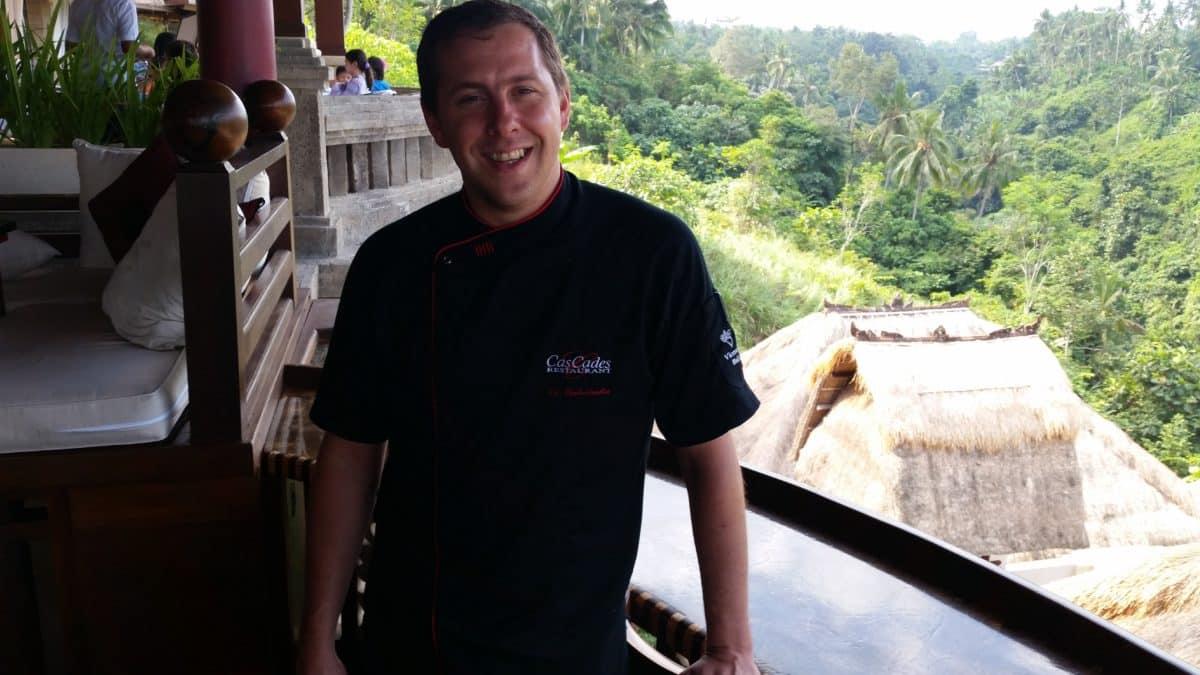
Chef Nik Vanderbeeken Photo credit: Viceroy Bali
Rijsttafel originated with the Dutch colonization of the region. Dutch traders came in 1602 as part of Dutch East India, a company formed to trade the spices that grew in the islands, such as cloves, nutmeg, and pepper. By the 1800s, the company was dissolved and the region officially became a Dutch colony.
The rijsttafel, literally “rice table,” appears to be a concept created by the Dutch colonists as a means of sampling the many different spice-laced dishes indigenous to various regions of Indonesia — such as Java, Sumatra, and Bali — as well as those dishes influenced by the Chinese and other ethnic groups living and trading among the islands.
However, the rijsttafel wasn’t meant to be a hodgepodge of random dishes. Instead, the multiple dishes and condiments were meant to provide a harmonious dining experience where sweet, sour, bitter, and salty tastes are balanced as well as temperatures – some dishes served cold, some room temperature, some hot – and the textures are varied as well for balance, from crispy and crunchy to smooth and soft.
The rijsttafel made for a festive occasion for extended family and guests, all seated around a table with a cone or bowl of rice in the middle, while servants brought the many dishes — and the more dishes, the more impressive the occasion.
Not surprisingly, when Indonesia became independent after 1945, the Dutch brought back to the Netherlands the taste for their beloved rijsttafel, and it has flourished there ever since, partly due to the many immigrants from Indonesia who knew how to prepare the various dishes. The opposite happened in Indonesia. With independence and the demise of Dutch influence, the rijsttafel virtually disappeared. Today, only a few fine dining restaurants, like the Cascades at Viceroy Bali, still offer it. In the kitchen of Cascades, located beneath the elevated, thatched roof restaurant, Nik Vanderbeeken’s Indonesian staff makes their spice mixtures, sambals, and spice pastes on a daily basis. Everything is made in-house.
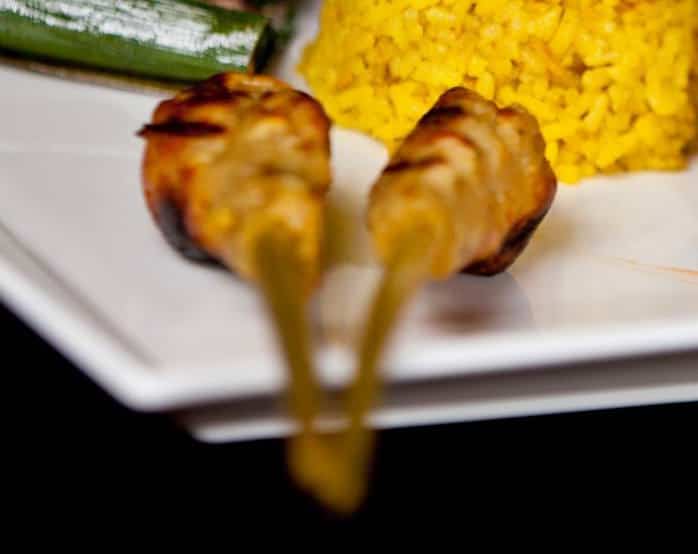
The morning of my rijsttafel dinner, I watched them make sate lilet, a combination of finely-minced fresh fish blended with a spice paste that included garlic, lemongrass and ginger. The mixture was packed in rounds onto skewers of lemon grass. I hovered over a simmering beef rendang, redolent with a spice-laden coconut sauce, and looked longingly at the marinating duck breast and pork ribs that would be grilled later for dinner. Tomato sambal was made by the blender-full, as was the sambal kacang, or peanut sauce.
Nick laughed when I asked him if he’d prepared rijsttafel in his native Belgium. “I’d never even heard of it until I came here,” he said, indicating the Viceroy Bali property. “I was on my way to Australia, and I was asked if I wanted to see about a job here. I thought, sure, why not? So I cooked a meal for the owners, they liked it and here I am.”
His rijsttafel, like his European dishes, is elegantly presented and served, reflecting his Michelin star background, yet it readily adapts to the setting of the Viceroy Bali, an oasis of timelessness on the edge of the jungle.
Sate Lilit (Grilled Minced Fish Skewers)

Ingredients
- •30 ml (2 tablespoons) vegetable oil, or as needed
- •5 shallots, coarsely chopped
- •5 cloves garlic, chopped
- •5 small red chilies, stemmed and seeded, or to taste
- •5 cm (2 inches) fresh ginger, peeled and finely chopped
- •5cm (2 inches) fresh turmeric or 1 teaspoon dried ground turmeric
- •15 ml (1 tablespoon) coriander seeds
- •10 cm (4-inch) piece of lemongrass, tender base only, thinly sliced
- •500 grams (1 pound) mackerel fillets or any white fish fillets
- •112 grams (4 ounces) grated fresh coconut
- •118 ml (½ cup) coconut milk
- •Twenty 15 cm (6 inch) pieces of whole lemongrass stalks


Preparation
Preheat a medium-hot grill; alternatively, this dish may be prepared using a ridged pan or skillet.
In a large skillet over medium-low heat, heat 30 ml (2 tablespoons) oil and add the shallots, garlic, red chilies, ginger, turmeric, coriander seeds and sliced lemongrass. Saute until tender, about 3 minutes. Transfer to a food processor and process until pureed.
Add the fish, coconut, and coconut milk. Pulse to make a coarse paste. Transfer the paste to a bowl or work surface, and divide into four mounds.
Divide each mound into five portions. Pick up a portion and mold it into a thick sausage shape around one end of a lemongrass stalk. Repeat to make a total of twenty pieces.
Grill the sate lilit, turning as needed, until light brown and opaque in the center. If using a grill pan or skillet, oil the pan and preheat until hot before adding the skewers.