





Brewer’s Choice
Scott Mansfield has been brewing all kinds of fermented beverages at home for the last fifteen years. Here he offers a favorite celebratory cocktail with purchased ingredients, a recipe for a homemade libation made with oranges and vodka, and a non-alcoholic very grown-up ginger beer.
Amaro Champagne Cocktail
Last New Year’s Day, my girlfriend and I cleaned our flat of the previous night’s party detritus, cooked a traditional Southern New Year’s meal of pork, greens and black-eyed peas, and hosted a good luck brunch. As guests arrived, we presented each one with a champagne flute filled with what looked like sparkling rosé. Each guest sipped politely, then responded with some variation of, “Oh my God, what IS this? It’s incredible!” We had asked our guests to bring decent Champagne for the brunch, and we used it all to create this crowd-pleasing Amaro Champagne Cocktail.
The recipe is simple: fill the glass with champagne and top it off with a splash of your favorite amaro, a bittersweet Italian herbal liqueur.
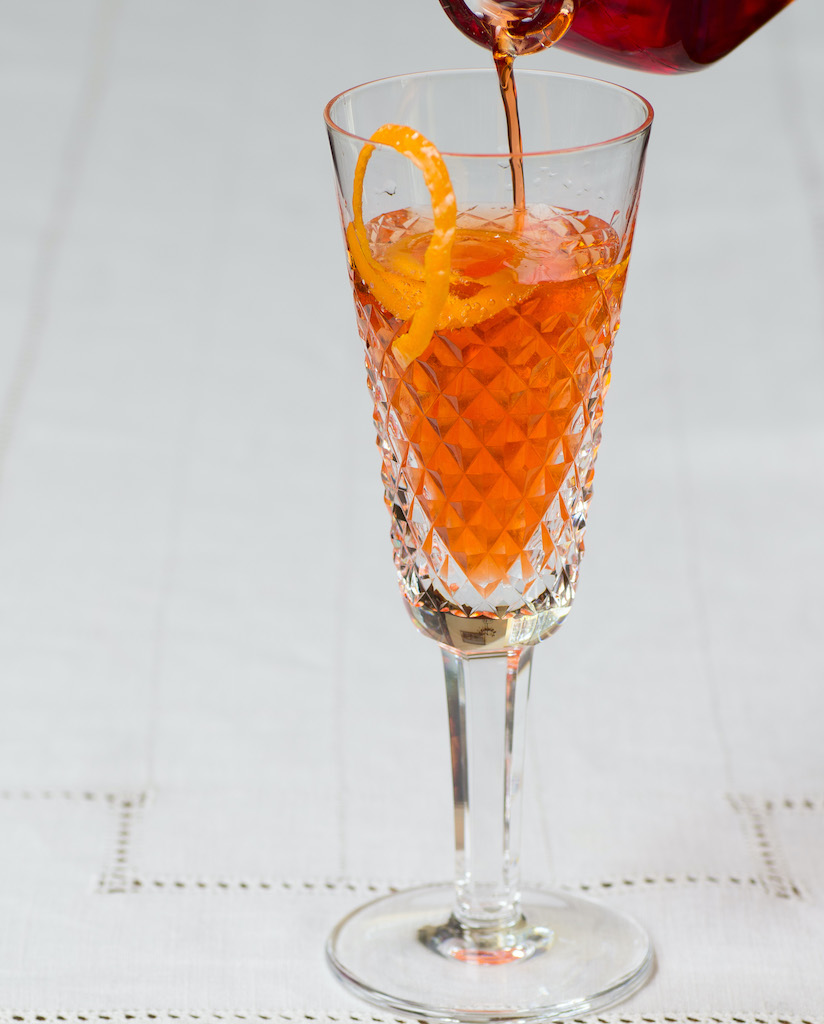
Aside from its simplicity, one of the beauties of this cocktail is the variety of results you can get by varying the type of amaro you use. Amaro means bitter in Italian, and there are dozens of amari made from infusing herbs, spices, roots, flowers and fruit in a spirit. The crowd favorite at our New Year’s Day brunch was made with Aperol, which falls on the sweeter end of the amaro spectrum. My girlfriend, who loves bitter flavors, preferred her cocktails made with Campari — which is not technically an amaro, but could play one on TV. The good quality Brut made the best cocktails, though we had acceptable results with Extra Brut and Extra Dry as well.
I’d suggest an approximate ratio of 10:1 Champagne to amaro. Aperol and Campari both worked well because their citrusy notes play well with a dry sparkling wine. As a bonus, their bitterness piqued everyone’s appetite for the brunch.
Non-Alcoholic Ginger Beer
There are an increasing number of craft ginger beers on the market, but it’s so easy to make your own it seems a shame to buy it. Besides, it’s healthier when you make it yourself, because you can add as much ginger as you like, and the live yeast you’ll use to carbonate it has probiotic properties.
You have probably heard that ginger is an extremely healthful spice, causing the heart to beat more strongly and slowly and removing cholesterol from the blood. It has antiviral, anti-inflammatory, and antibiotic properties; it helps alleviate nausea, and it can reduce migraines. And most importantly, it’s delicious. An easy way to get more ginger in your diet is to drink it, and you can consume a lot more non-alcoholic ginger beers than an alcoholic version.
Nearly all soft drinks on the market are carbonated by artificially infusing the gas into the beverage before bottling. When you make it at home, you’ll use natural carbonation, which is the result of yeast consuming sugar and giving off carbon dioxide. By capping a bottle of fermenting beverage before all of this carbon dioxide can escape, the gas is naturally infused in the beverage. Opening the bottle not only releases the gas, it also unlocks the flavors and aromas of the beverage.
To naturally carbonate any beer, cider or wine, you’ll need a little residual sugar and some yeast to consume it. This recipe is a true old-fashioned classic that is simple to make and easy for you to tweak to better match your own taste.
Important note: The beer this recipe makes is not sweet. If you want to make it sweet, you have two options:
• Add artificial sweetener before bottling.
•Add sugar immediately before drinking. DO NOT add extra sugar before bottling. When yeast consumes sugar it gives off carbon dioxide. The sugar you add before bottling will be just enough to cause natural carbonation. If you add additional sugar and seal the bottle, the yeast could produce enough carbon dioxide to explode the bottle. 
First published June 2015
Non-Alcoholic Ginger Beer
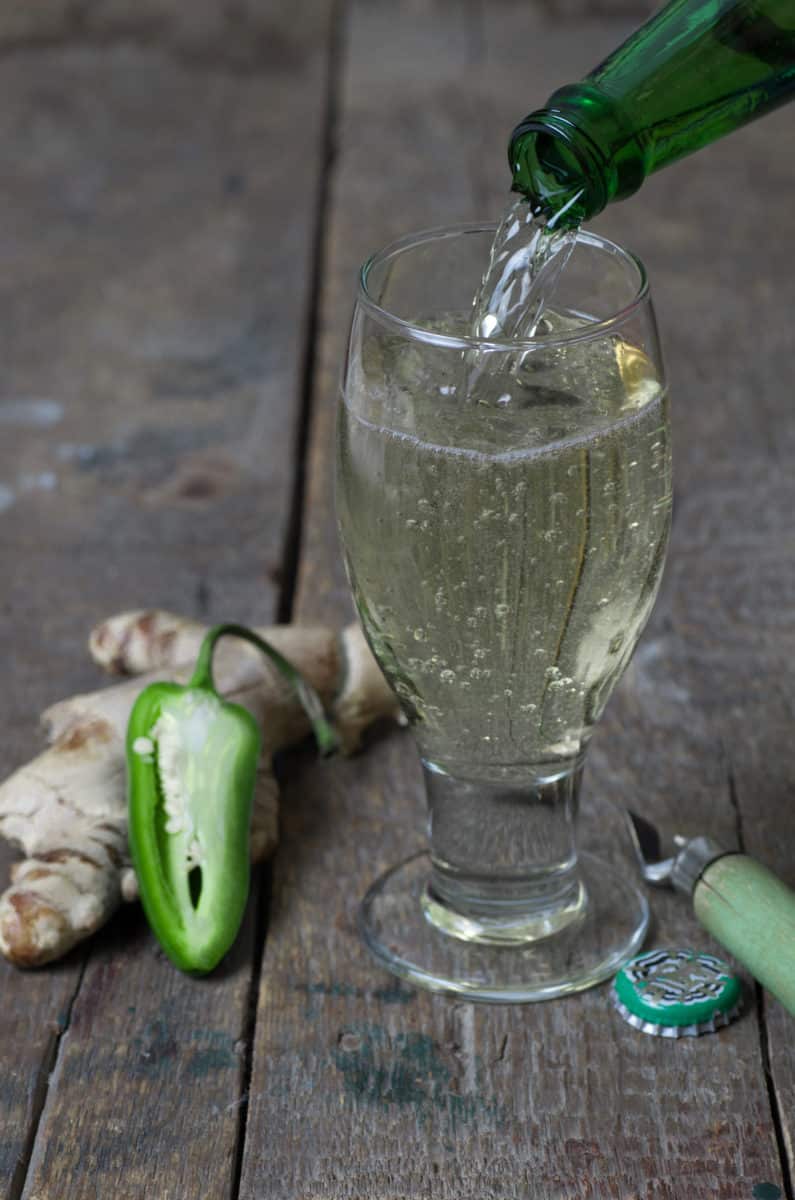
Non-Alcoholic Ginger Beer
it’s so easy to make your own Non-Alcoholic Ginger Beer. Besides, it’s healthier when you make it yourself, because you can add as much ginger as you like, and the live yeast you’ll use to carbonate it has probiotic properties.
Ginger is an extremely healthful spice, causing the heart to beat more strongly and slowly and removing cholesterol from the blood. It has antiviral, anti-inflammatory, and antibiotic properties; it helps alleviate nausea, and it can reduce migraines. And most importantly, it’s delicious!
Ingredients
- •227 grams (8 ounces) ginger, peeled and sliced
- •½ jalapeño, sliced (optional)
- •Juice of 1 lemon
- •One 11.5 grams packet ale yeast
- •7 teaspoons sugar


Preparation
Place the ginger and jalapeño in a large pot with 3.8 liters (1 gallon) of water and simmer gently for 30 minutes. If you smell the ginger, turn down the heat, because the more you smell now, the less you’ll taste in the final product.
Turn off the heat, and strain the ginger and jalapeño from the water.
Add the lemon juice, and let the liquid cool to room temperature.
Stir in the yeast, cover, and let stand overnight.
To bottle, stir in the sugar, then pour into Champagne-style bottles, beer bottles, or soda bottles and cork or cap the bottles.
Store bottles in a dark, cool place for a minimum of 2 weeks to allow the sugar to carbonate the beer, the yeast to settle to the bottom, and the flavors to mix.
Chill and serve.

Arancello
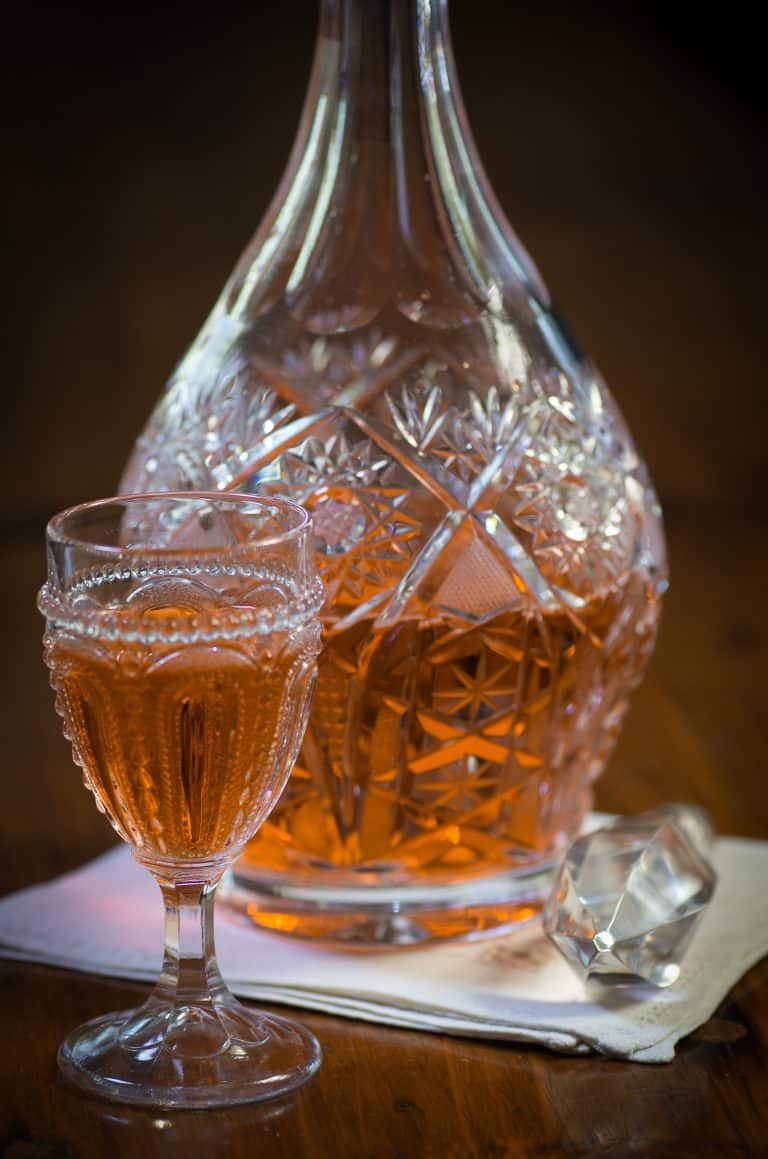
If you like limoncello, you’ll love its red-headed cousin, arancello. Consisting of only orange zest, vodka and sugar, it’s simple to make, delicious to drink, and impossible to buy in stores.
This recipe uses a lot of zest, and even washing oranges doesn’t remove the pesticides that have soaked into the skin. So try to find organic or at least pesticide-free fruit. Also, since you want the orange zest and not the white pith, it’s best to use Valencia oranges or a juicing-type orange rather than navel oranges. Different orange varieties will yield different tasting beverages.
Ingredients
- •Zest of 6 oranges
- •340 grams (1½ cups/12 ounces) sugar
- •About 1 liter (1 quart) vodka, as needed to fill
Preparation
Peel the oranges and scrape the white pith from the peels so that only the zest remains.
Put the zest into a 1 liter (1 quart) jar. Add the sugar and enough of the vodka to fill the container. Screw on the lid and store in a dark place.
After two weeks, strain the beverage through cheesecloth to remove the zest. Return the liquid to the jar and add enough vodka to top off the jar. You don’t need to age this.