



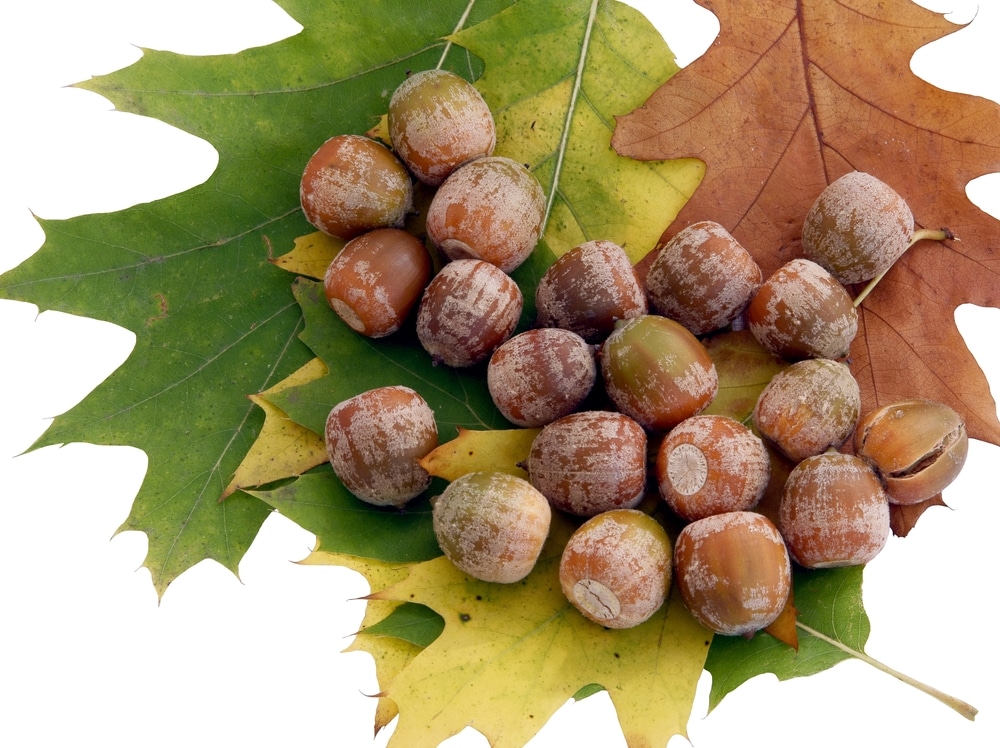


Fall is here and although it may seem to be the end of the season for foraging, the warm energy of the summer has been captured in one common, nutritious and fun item to forage: acorns! Of over six hundred species of oak, many produce nuts that have provided a source of protein and fats for people over thousands of years throughout the United States and Canada.
A passionate forager, I recently set out to create acorn-related food products for Edible Wilds, my natural food company in northern Maine, USA that produces food products made from native and wild edible plants.
For any forager the first step is identifying the subject. Of the different varieties of oak trees available, red oak seems to be the most common in my area. The leaves of a red oak tree have lobes that are pointed, and the vein of the leaf comes all of the way out to the edge. Other oaks, such as white oak, have rounded lobes. However, not every oak tree provides the same type of nut.
Acorns contain tannins, which are a class of compounds with a severely bitter taste. Tannins can be toxic to humans, unpleasant to eat, and are poisonous to dogs.
Fortunately, however, the indigenous people of North America had learned that tannins are water-soluble. They would place shelled acorns in baskets and let them sit in fast-flowing rivers for days to “leach” the acorns and remove the tannins. The acorns were then drained and dried for use in various recipes.
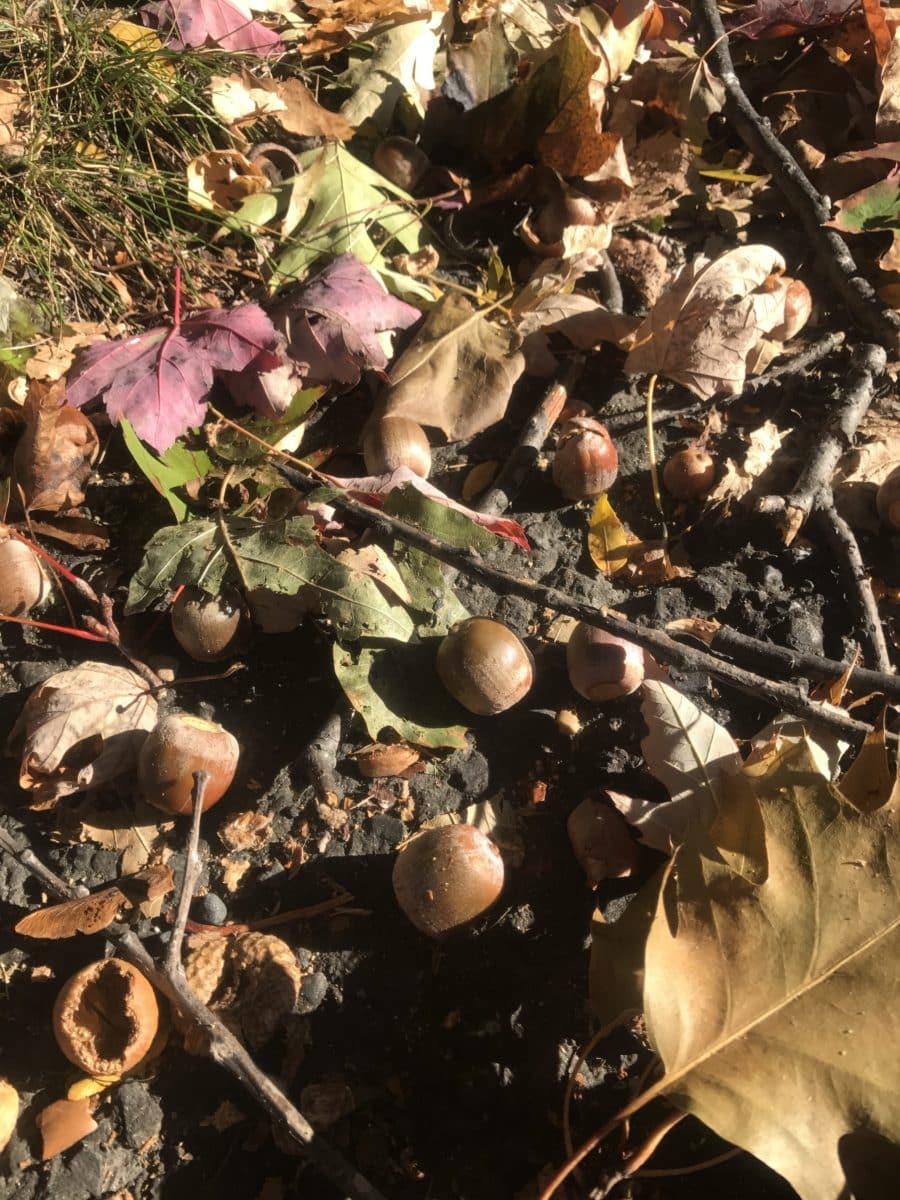
After collecting the acorns I went back to my shop and began shelling them, crushing the shells with pliers and removing the broken pieces of nut with my fingers. It went more slowly than I had expected, taking about an hour to shell 453 grams (1 pound) of acorns; (I admit I was watching TV while doing so). I weighed the nuts after shelling them and they totaled 284 grams (10 ounces), which means that 170 grams (6 ounces) — more than half of the total — was the weight of the shells themselves.
After removing the shells and weighing the nuts came the fun part — leaching.
There are two methods that can be used for leaching. If you don’t live by a fast-flowing river where you can set the acorns in a mesh bag or pillowcase for a few days, you can instead boil the acorns to remove the tannins. This can take a couple of hours if you’re using red oak acorns. Simply place the acorns in a pot with double their volume in water (similar to cooking rice). Bring to a boil over high heat. After ten to twenty minutes you’ll begin to notice the water turning dark reddish-brown, the color of the tannins. Every 20 minutes strain the nuts with a fine-mesh strainer (so as to not lose any of the smaller pieces of acorn) and replace with fresh water. Continue to do so until the water is completely clear — that means the tannins have been removed from the acorns and they are safe to eat.
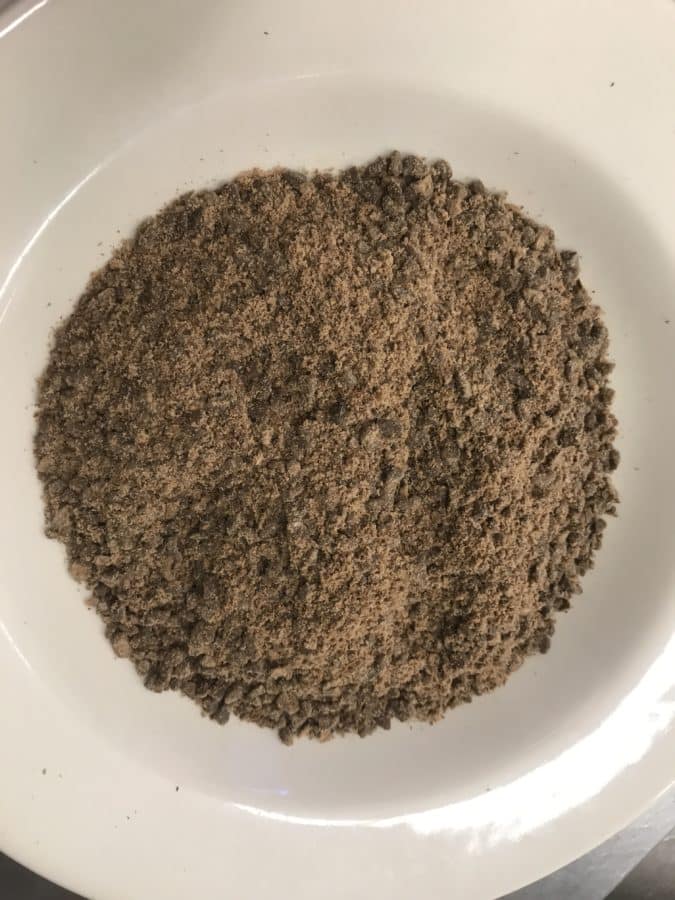
Acorn Cakes

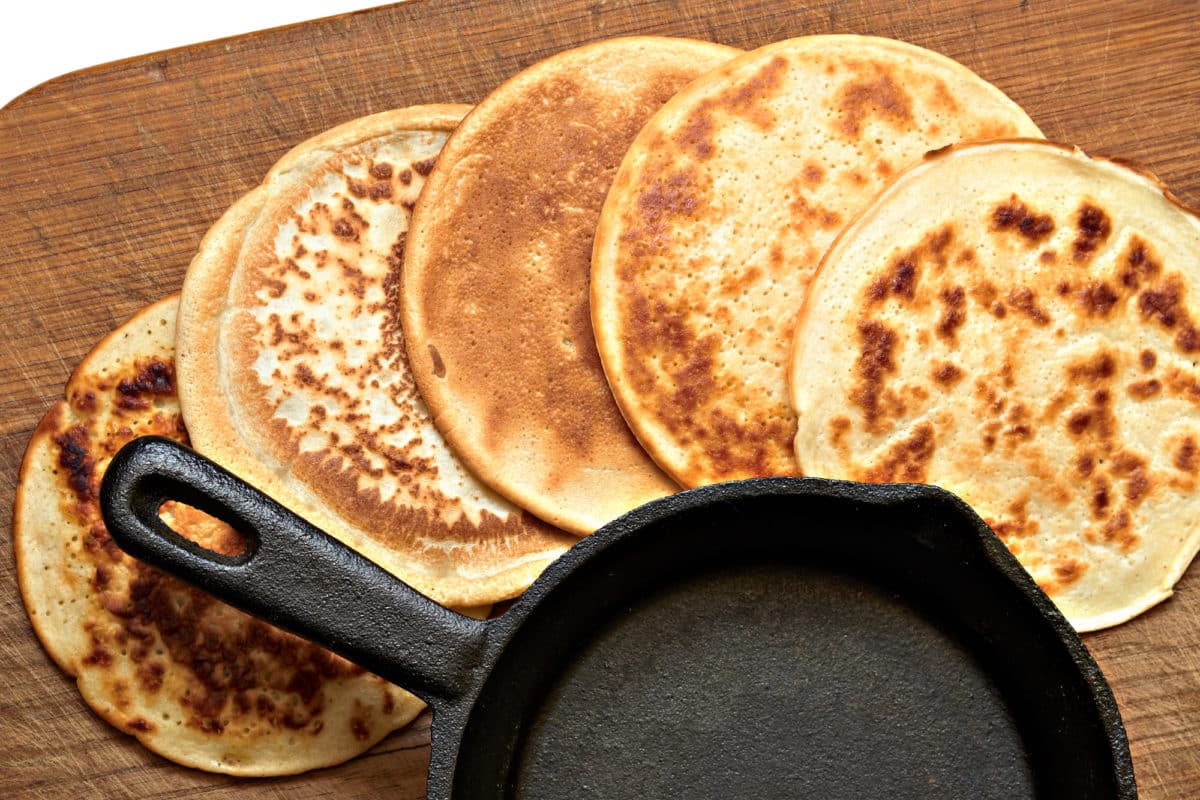
Courtesy of V. Hamilton
Ingredients
- •236 ml (1 cup) acorn meal
- •236 ml (1 cup) cornmeal
- •59 ml (¼ cup) honey
- •14 ml (1 tablespoon) melted butter or oil
- •Pinch of salt


Preparation
- In a large bowl combine all ingredients. Add enough warm water to make a moist but not sticky dough. Mix well and divide into 12 balls of equal size. Cover and allow to rest for 10 minutes.
Lightly moisten your hands with water and pat the balls into thick tortillas.
Heat an ungreased cast-iron skillet over medium-high heat. Add the cakes to the hot pan and cook on one side until the edges start to become dry and the undersides are lightly browned (lift a cake with a spatula to check for doneness). Flip the cakes and lightly brown on the other sides. Serve warm.

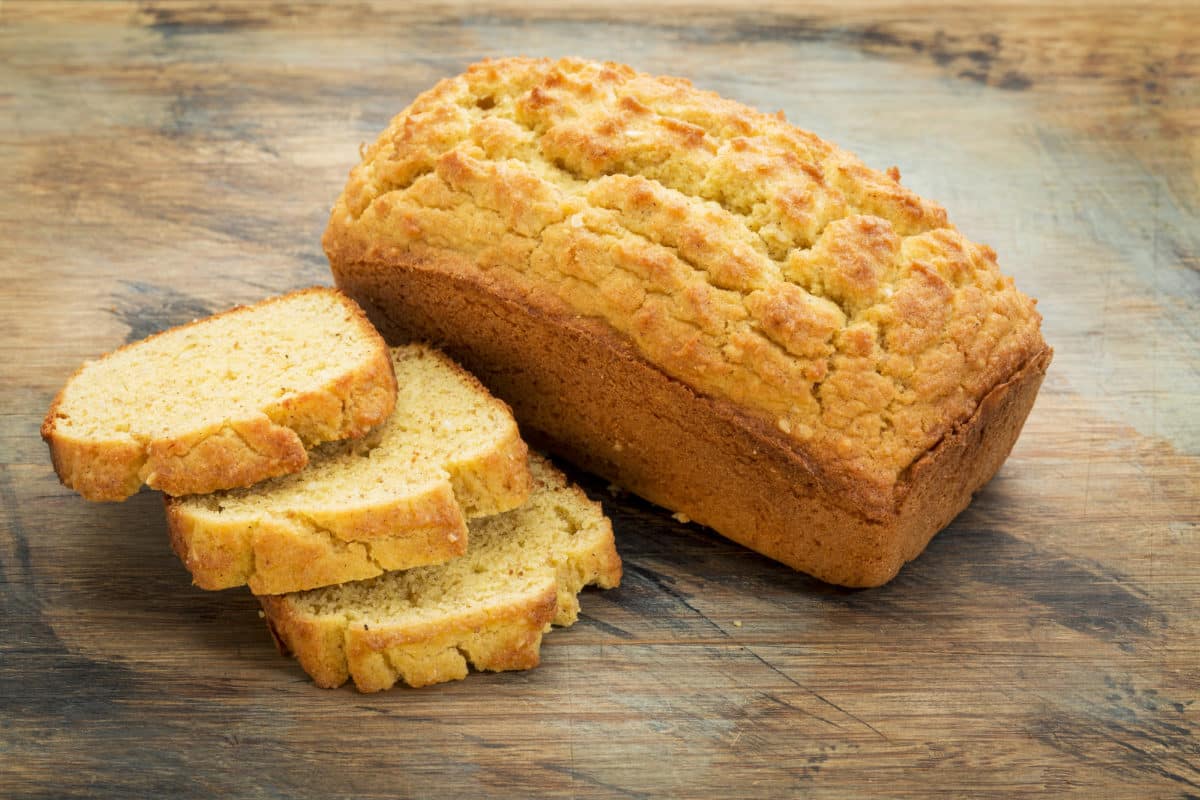
Gluten-Free Acorn Bread
Ingredients
- •473 ml (2 cups) acorn flour
- •22 ml (1½ tablespoons) butter or margarine
- •118 ml (½ cup) granulated sugar
- •10 ml (2 teaspoons) baking powder
- •Pinch of salt
- •1 egg
- •237 ml (1 cup) milk or milk alternative
If you’d like to make this bread a little less “traditional,” you can add an additional 237 ml (1 cup) acorn flour, 59 ml (1/4 cup) milk or milk alternative, and 1 more egg. The additional of ground cinnamon or nutmeg will make a Thanksgiving-style bread. The indigenous people would often replace some of the acorn flour with cornmeal.
Preparation
Preheat oven to 177°C (350°F).
Combine all ingredients in a bowl, and mix together thoroughly. Place in a small greased bread pan or muffin pan.
Bake until a toothpick inserted into the center of the bread is dry when removed, 15 to 20 minutes.