People love to talk about tikka masala and butter chicken as “curry.” It’s become a blanket term for gravies, stews, and saucy dishes that span an entire subcontinent. But if you only focus on what’s ladled onto the plate, you’re missing the entire structure that supports it.
I’m talking about bread. Flatbreads. Fermented breads. Flaky, puffed, steamed, stuffed, grilled. India has more bread diversity than most people realize, and for good reason. These breads are more than accompaniments. They are foundations. They scoop, soak, balance, and stretch a meal into an experience.
Over the past decade, as I dove deeper into the soul of Indian cooking, I realized that understanding these breads is just as important as understanding the spice blend. And learning to make them? That’s where it gets real.
Paratha: The Layered Labor of the North
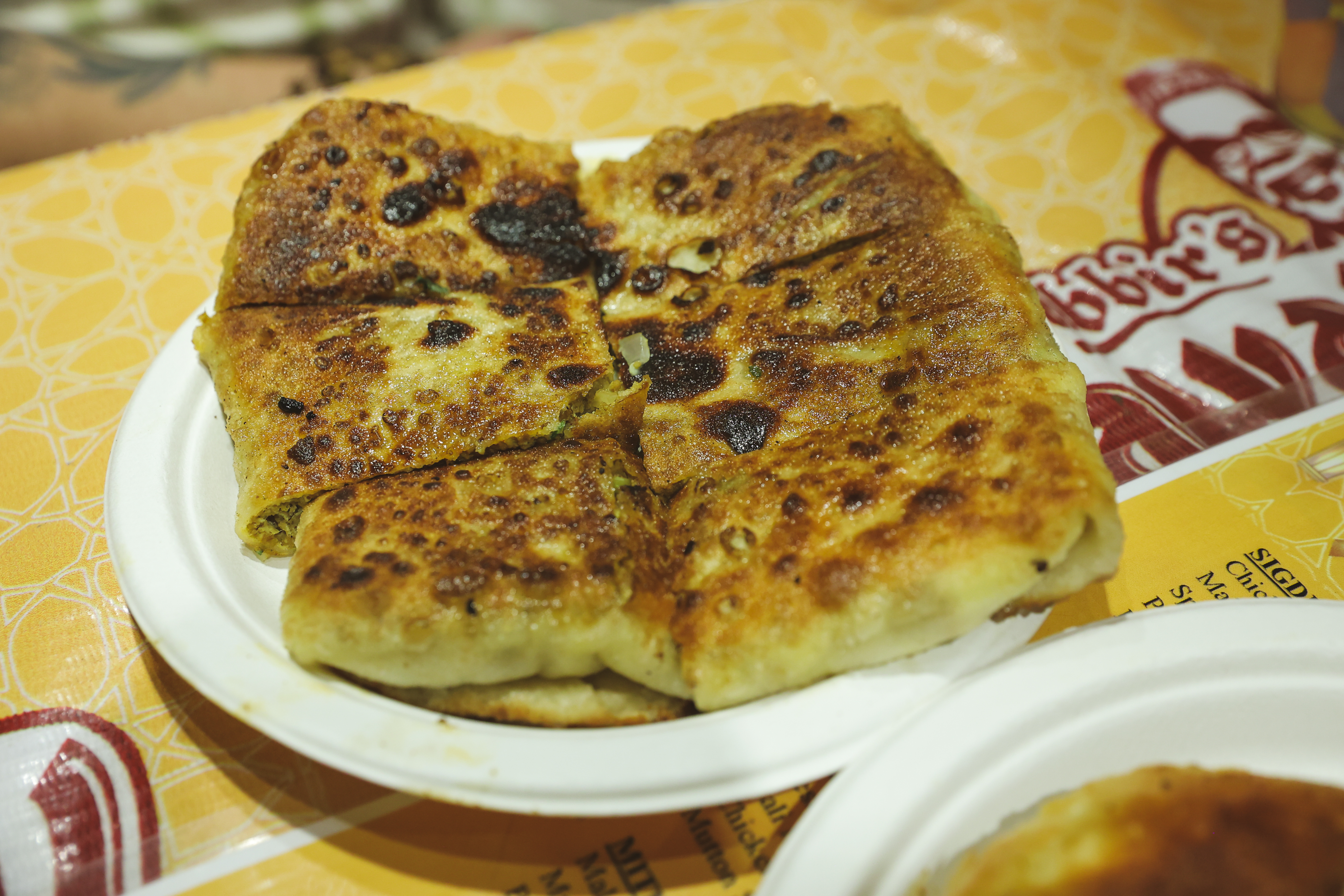
The first bread I tried making was paratha. Not the frozen kind. I’m talking about the real thing. Hand-rolled. Ghee-brushed. Pan-fried to golden flake perfection. In Delhi, you watch street vendors roll and fold dough like origami, layering fat between each fold, then rolling it out again to create that iconic flakiness.
There’s nothing passive about a good paratha. The dough has to rest just enough to be pliable but not limp. The pan heat needs to be monitored. Too hot and you burn the outside before the layers cook through. Too low and you get limp, greasy bread.
What fascinated me was how versatile the paratha is. You could stuff it with aloo, paneer, radish, or even leftover keema. In Punjabi households, it’s not a side dish. It’s the meal. Served with curd and a knob of butter big enough to make cardiologists sweat.
Making paratha taught me that bread isn’t an afterthought in India. It’s a skill passed down, a morning ritual, a point of pride.
Porotta: The Art of Chaos and Control
Porotta is one of south India’s crown jewel of breads. Often confused with paratha, this bread is its own animal. Soft, flaky, chewy, and endlessly layered. It’s made with maida flour, oil, water, and patience, lots of patience.
The first time I saw someone make porotta, it looked like choreography. The dough was stretched, slapped, coiled, and flattened. Then griddled until it puffed and browned in all the right places. And then, this is key, it was clapped between the hands to release the layers.
You eat porotta with spicy beef fry, with egg curry, with salna. It’s not background noise. It’s the texture that makes the dish sing.
Porotta taught me that imperfection can be perfect. That irregular folds can yield a more satisfying chew. That technique sometimes looks more like instinct than instruction.
Pathiri: Kerala’s Soft, Steamed Secret
In Kerala, you discover met pathiri. A rice flour flatbread so delicate it feels like silk in your hands. Rolled thin, steamed or lightly toasted, and often served alongside spicy fish or mutton curries. It’s a Mappila Muslim tradition, with roots in the Malabar coast.
Making pathiri is humbling. You can’t muscle it. The dough is rice flour and hot water, temperamental and prone to cracking if you don’t treat it with the right timing and touch.
Pathiri reminded me that bread in India isn’t just wheat and fire. It’s rice and steam. It’s about working with the grain available, the climate you’re in, and the tools at hand.
These breads aren’t interchangeable. You don’t pair a paratha with meen curry. You don’t wrap dosa around chole. The bread is chosen because it completes the dish.
Regional Logic, Not Recipe
One of the biggest lessons I’ve taken away from studying Indian breads is that you have to think regionally. North Indian breads are built on gluten: wheat, kneading, griddling, frying. South Indian and coastal breads lean into fermentation, rice flour, and steaming.
It’s not random. It’s geographic logic. Wheat thrives in Punjab. Rice dominates the south. The climate drives technique. Culture adds style.
And within each region, there are micro-regions. Gujarat’s thepla is a whole different game than a Rajasthani bajra roti. In Maharashtra, you find bhakri, made from jowar or bajra, dry, rustic, and earthy. In Bengal, there’s luchi, the puffed, refined cousin of the puri. All of them with purpose, place, and precision and so many more I could list here.
Technique from the Streets
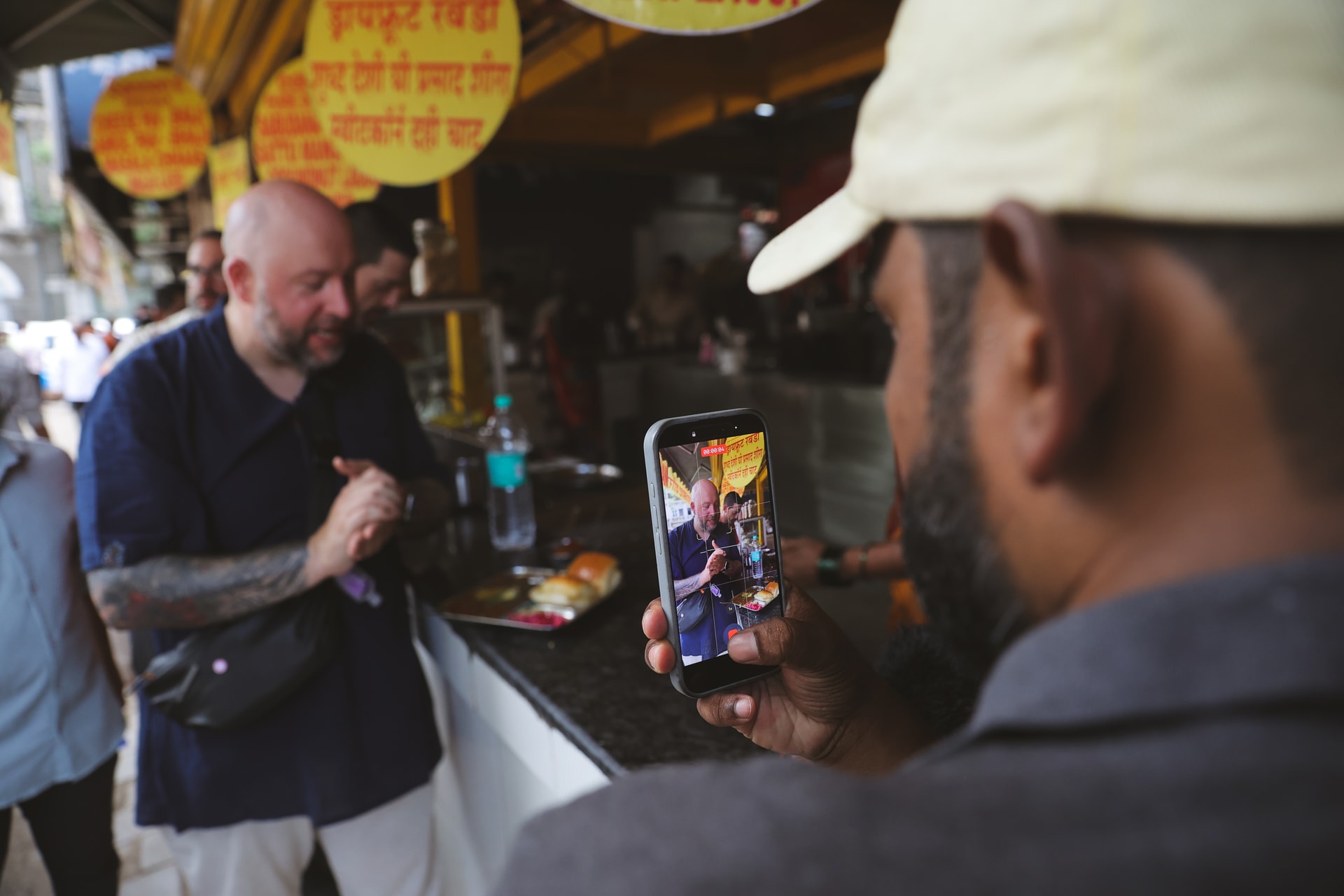
Some of my biggest lessons came not from books but from street vendors. Watching a guy in Hyderabad toss a rumali roti so thin you could read a newspaper through it. Seeing a cook in Amritsar slap kulcha into a blazing tandoor wall, barehanded, timing it by instinct.
No timers. No thermometers. Just repetition and rhythm. That’s where mastery lives.
These moments rewired how I saw bread. It wasn’t about perfection. It was about adaptability. Knowing how your dough feels. Knowing how your griddle sounds. Knowing when the surface bubbles mean flip now versus wait 10 more seconds.
The Soul Beneath the Surface
Bread is not just technique. It’s memory. It’s skill passed down in muscle and instinct. It’s where economy meets nourishment.
And in my upcoming book, The Soul of Spice, I explore how Indian food lives in these margins, in the dough resting under a towel, the fermented batter that smells just right, the moment when the bread puffs on the pan and you know you got it.
Because you can follow a recipe and still get it wrong. But when you understand why each bread exists, how it fits into the region, the weather, the hands that shape it, that’s when you start cooking like someone who’s not just mimicking Indian food but living inside it.
Quick Guide to Indian Bread Traditions
• Paratha (North): Layered or stuffed, pan-fried, made with atta (wheat flour). Served with butter, yogurt, or gravies.
• Dosa (South): Fermented urad dal and rice batter, crisp and thin. Served with chutney and sambar.
• Pathiri (Kerala): Rice flour, steamed or toasted. Eaten with fish or mutton curry.
• Bhakri (Maharashtra/Gujarat): Millet-based, dense and dry. Eaten with thecha or spicy vegetable dishes.
• Luchi (Bengal): Deep-fried refined flour bread, puffed and light. Served with cholar dal or aloor dom.
Every bread tells a story. If you want to understand Indian cuisine, start listening to the ones told in flour, fire, and fermentation.
Because once you master the breads, the rest of the plate starts to make a lot more sense.