



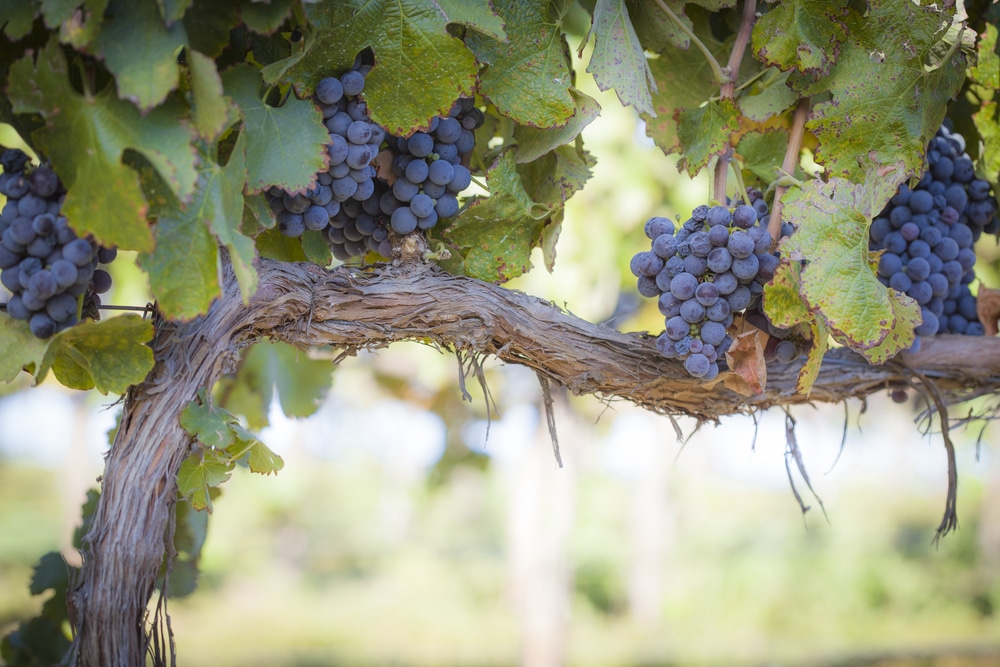


Our personal history with a particular bottle of wine can affect how much we enjoy it once it’s opened. Although it may turn out to be a stellar work of art, a wine purchased from a big box store has a lack of place. But part of a wine’s terroir is our personal memory of its origin — the small tasting room in a basement, shaking the winemaker’s hand, blue-black with the color of grape skins – which intensifies our experience of enjoying the wine.
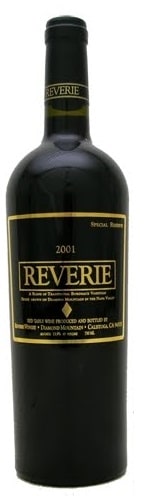
A few years ago, my wife and I visited Diamond Mountain in California’s Napa Valley and came across tiny Reverie winery run by the Kiken family. Mr. Kiken, with a heavy New York accent, who looked like he belonged on Wall Street, met us at the car. We had a conversation with him, a tasting, and left with a case of the 2001 Special Reserve Cabernet Sauvignon.
Since then, the case has been waiting in my wine cellar. But tonight I have submitted my last paper to the University of New Hampshire Graduate History Department, and the mood is festive, at least in my psyche. The bottle of Reverie is heavy, almost champagne-like in weight. Darkness fills the glass. Although it’s been 11 years from its bottling, there is not a hint of garnet or brick in its color. On the table lies a rare leg of lamb, and the potatoes cooked underneath are redolent with rosemary and garlic. It is obvious from the nose and first sip that the wine could have used more time in which to mature, but for my wife and me, the wait is of no concern, since it was not to happen, at least not for this first bottle out of twelve.
First published August 2014