FeaturesRecipes
The Cook's Cook
MarketplaceCommunityLearn
The Cook's Cook
The Cook's Cook
BackBack
Loading...
The Cook's Cook
BackBack
Search
FeaturesRecipes
The Cook's Cook
MarketplaceCommunityLearn
Search
Columns

Namaste Collection Day

Erin Snow
ByErin Snow—Erin Snow is a Global Communications...
ByErin Snow
Erin Snow is a Global Communications...
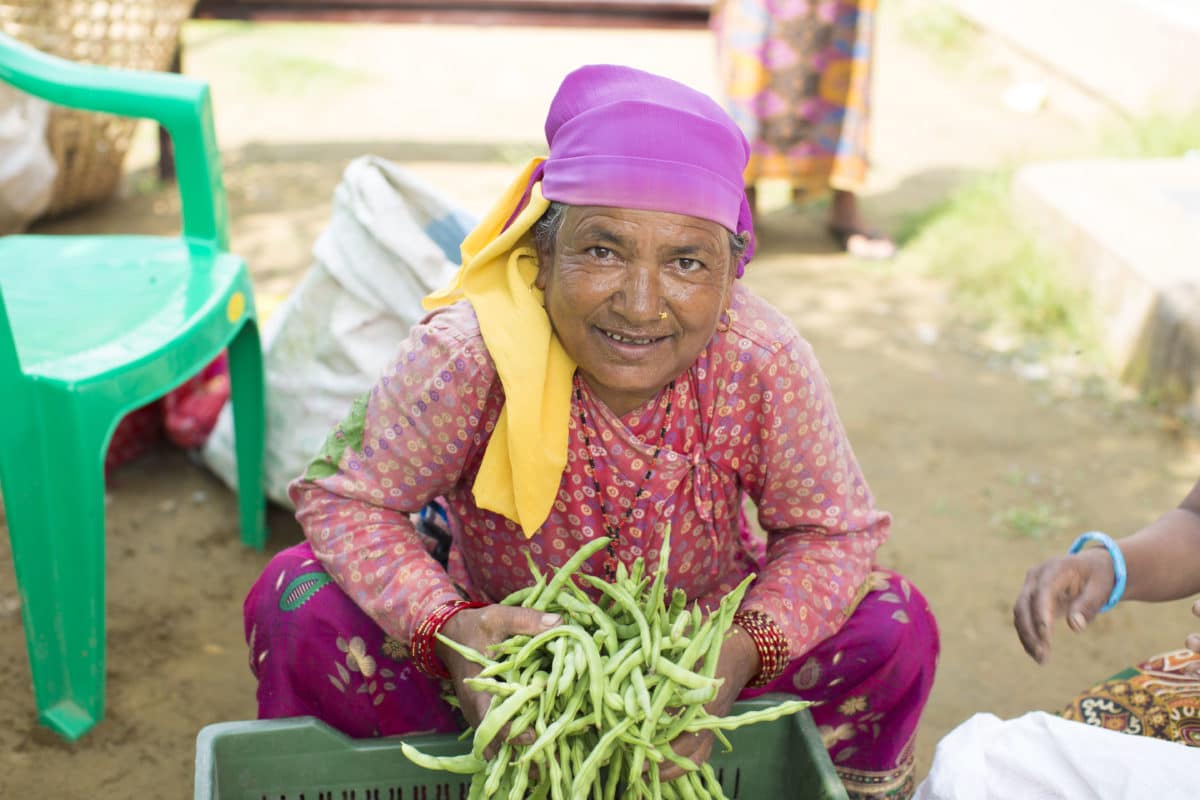
A woman in vibrant clothing sorting fresh green produce.

Share
Share on Pinterest
Share on Facebook
Share on X
Share on Instagram
Share via Email

It was early, around 7 a.m., when we arrived in Lahachowk — a rural village northwest of Pokhara, Nepal. Several women were carefully bagging and weighing beans and other vegetables, but they stopped to greet us with broad grins, giving us small bouquets of just-picked posies and cream-colored ceremonial scarves, and placing red tika blessings on our foreheads. With each heartfelt greeting of “Namaste,” they made us feel like royalty.

We soon discovered that it was collection day. Days like this only happen a couple times a year, and the air was tinged with a certain excitement. Bag after bag of vegetables were weighed, then set aside to load into a vehicle bound for a nearby city. On collection day, the year’s production takes one step closer to its final destination: kitchens of not-so-distant cooks, while the farmers take one step closer to reaping financial reward for their efforts.

SnowE_TURN_1of3_2014.08
Photo credit: Lacey West

The women of Lahachowk belong to a Heifer International project. Heifer uses its proven Passing on the Gift® model to empower families across the globe to eliminate hunger and poverty from their lives. Through Heifer projects, families learn how to take the best possible care of their animals, making them healthy and productive. Through training, members are taught organic methods of growing food crops, including how to turn livestock manure into the best fertilizer and even cooking fuel.
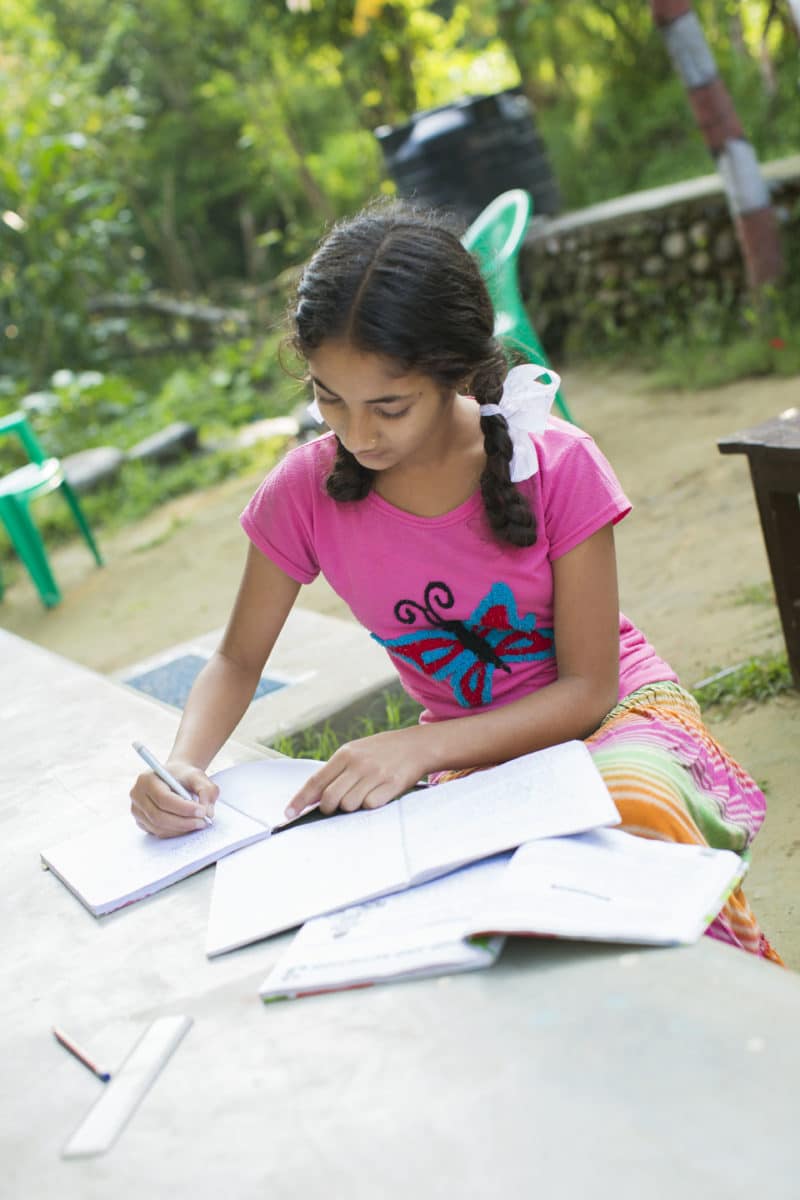
Sita Adhikari and her 13-year-old daughter Sharmila enjoy working side-by-side in their kitchen, preparing delicious and nutritious meals for their family. They wash and peel vegetables from their garden and cook on their biogas stove. This type of stove uses livestock manure for fuel, which burns cleaner than traditional woodstoves. The process is affordable, healthy and sustainable for families and the environment alike.

Sita and her family have turned Heifer’s gifts of animals, crop seeds and technical training into good health and diversified and sustainable sources of income. In fact, Sita has found a career that requires her to spend plenty of time outside the kitchen, too. As a Community Agro-Vet Entrepreneur, or CAVE, Sita makes house calls to check on her neighbors’ animals when they seem ill. She diagnoses illnesses and provides medicine, when necessary, to heal the beloved animals of her village.
While in Lahachowk, we saw healthy goats, cattle and chickens, as well as rows of flourishing beans, tomatoes, cucumbers, potatoes, gourds and other food crops, the foundation of nutritional and financial nourishment for these families.

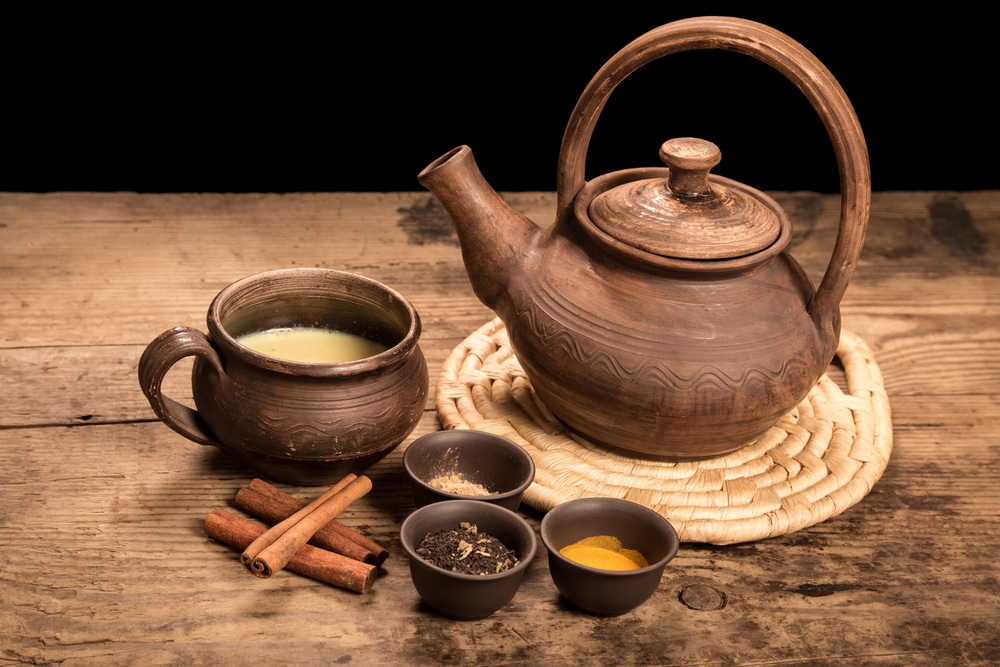
As if tikas, flowers, scarves and home tours weren’t enough, before we started our bumpy descent to Pokhara, Sita found one last opportunity to be a gracious host and offered us crisp cucumber wedges and cups of piping hot milk tea, a Nepali specialty.

SnowE_TURN_3of3_2014.08
Photo credit: Lacey West

Sita Adhikari and her 13-year-old daughter Sharmila enjoy working side-by-side in their kitchen, preparing delicious and nutritious meals for their family. They wash and peel vegetables from their garden and cook on their biogas stove. This type of stove uses livestock manure for fuel, which burns cleaner than traditional woodstoves. The process is affordable, healthy and sustainable for families and the environment alike.

Sita and her family have turned Heifer’s gifts of animals, crop seeds and technical training into good health and diversified and sustainable sources of income. In fact, Sita has found a career that requires her to spend plenty of time outside the kitchen, too. As a Community Agro-Vet Entrepreneur, or CAVE, Sita makes house calls to check on her neighbors’ animals when they seem ill. She diagnoses illnesses and provides medicine, when necessary, to heal the beloved animals of her village.

While in Lahachowk, we saw healthy goats, cattle and chickens, as well as rows of flourishing beans, tomatoes, cucumbers, potatoes, gourds and other food crops, the foundation of nutritional and financial nourishment for these families.

As if tikas, flowers, scarves and home tours weren’t enough, before we started our bumpy descent to Pokhara, Sita found one last opportunity to be a gracious host and offered us crisp cucumber wedges and cups of piping hot milk tea, a Nepali specialty.  

About the author

Erin Snow is a Global Communications Manager for Heifer International. She joined the organization in 2007 after earning a bachelor’s degree in Mass Communication from the University of Arkansas at Little Rock. In addition to travel and writing, Erin enjoys yoga, meditation, studying holistic healing, and listening to all kinds of music.

Courtesy photo

Erin Snow

Erin Snow

Erin Snow is a Global Communications Manager for Heifer International.

Stay Updated on New Features
Get notified about new stories, insights, and culinary adventures from our team.

Cook. Eat. Learn.

©2025 The Cook's Cook LLC

Main site

  • Columns
  • Features
  • Recipes
  • Marketplace
  • Community
  • Guides

Additional info

  • About
  • Brand Partnerships
  • Privacy Policy
  • Submission Guidelines

Social

  • Facebook
  • X
  • Instagram
  • Pinterest

© 2025 The Cook's Cook LLC