



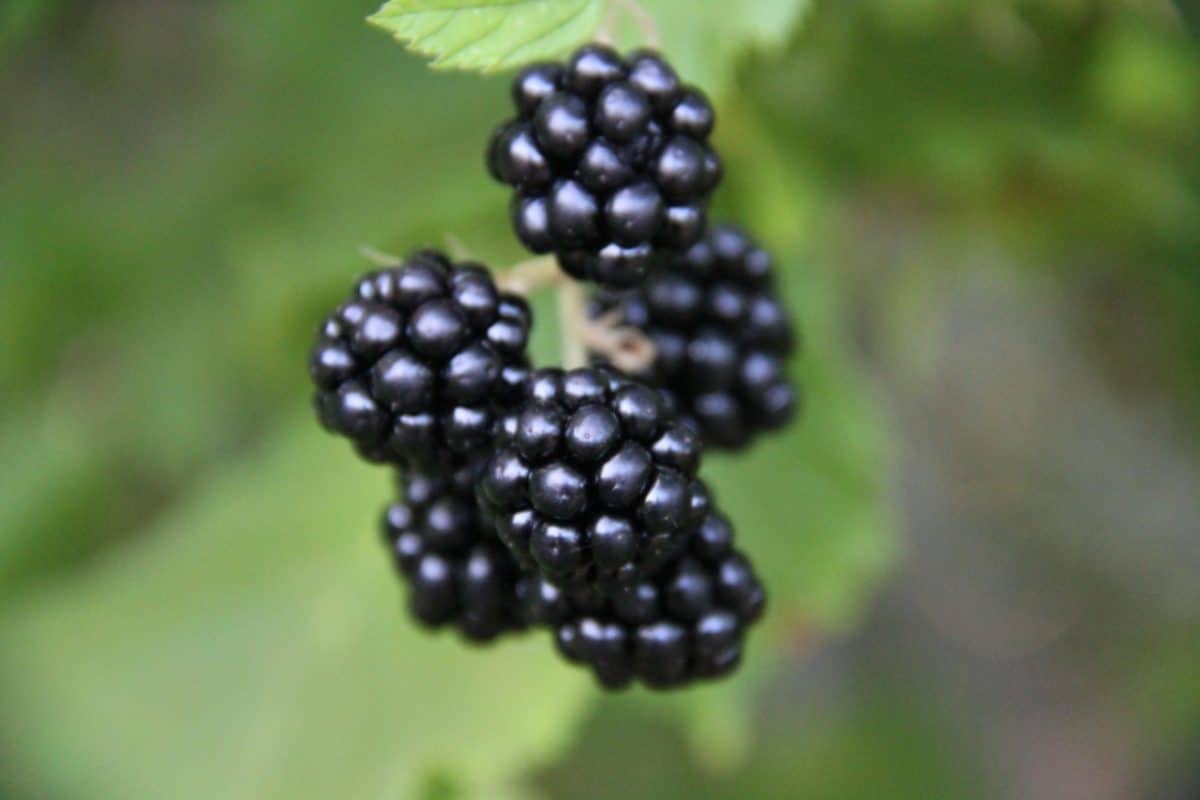


As I’m walking through the heavily-boughed, green-scented lane from one pasture to another, tendrils of vine reach down from unapproachable heights. A few short steps later they find their target – my hair, bound into a ponytail. I stop, crouch in a defensive posture, and stammer out “ow ow ow” until I’m freed and able to exact my revenge: the purloining of a fist-full of fat, sweet-sour berries from my attacker. Nonetheless, the blackberries continue to grow with impunity.
Foraging was never something I wanted to do, exactly. It sounded a little too much like rummaging, and rummaging brings to mind rummage sales and rummaging through garbage, neither of which are an activity I care to participate in. But foraging doesn’t have to be unpleasant, and doesn’t necessarily imply looking very hard for something that is expertly hidden. Gems of the plant world can appear in the most unlikely places, and if you arm yourself with the slightest bit of knowledge, or at least some patience, you can experience the satisfaction that comes with feeding yourself something you found in nearly any place other than the grocery aisle.
Before you skip off to the woods, though, there are a few things to keep in mind. Ellen Zachos, author of Backyard Foraging (Storey Publishing 2013), implores her readers to always positively identify what they’ve found before they consume it, and counsels that even when you know what you have, don’t over-consume. Likewise, foragers should steer clear of ground or water that could be affected by pesticides or waste materials, organic or inorganic alike. And, of course, be responsible by not stripping a single plant bare and by always asking permission before harvesting on private property. By following those rules you’re more likely to have an enjoyable experience.
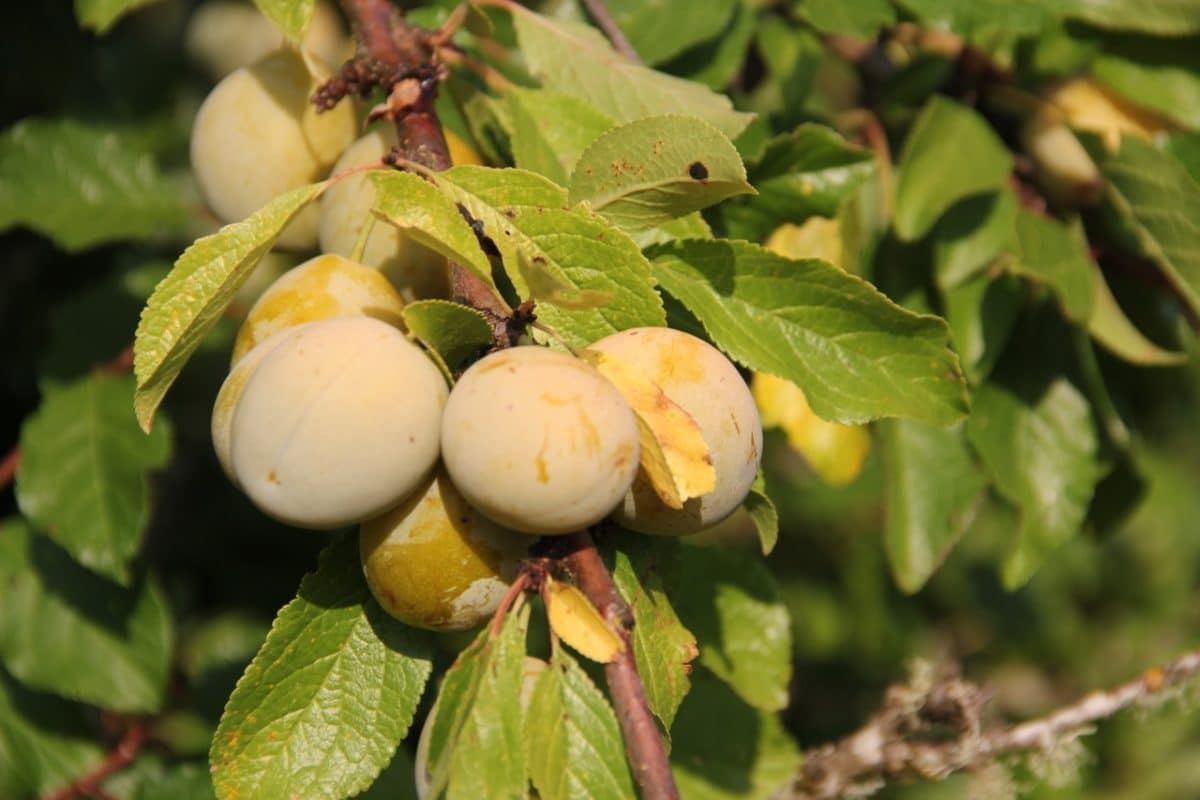
The easiest plants to forage for are those that are identical to the foods you eat every day and that have no potentially poisonous look-a-likes. The high-bush blueberries, cherries, plums, and wild strawberries that we’ve found growing high and low and over every fence row on our property are generally safe bets, and I haven’t been shy about picking a particularly ripe yellow plum up off the ground, dusting it off and declaring it delicious.
But those blackberries, thorny as they are, have become the forage staple of our everyday walks and, much the way they sneak into all the corners of the forest, have found their way into every corner of my freezer. As we tumble into fall and winter, I’ll have a surplus of sweet summer just a few steps away.
First published October 2014
Foraged Berry and Beet Roll-Ups
Note: This recipe calls for a dehydrator. Instructions for dehydrating using an oven may be found online and in guidebooks on preserving foods.
Ingredients
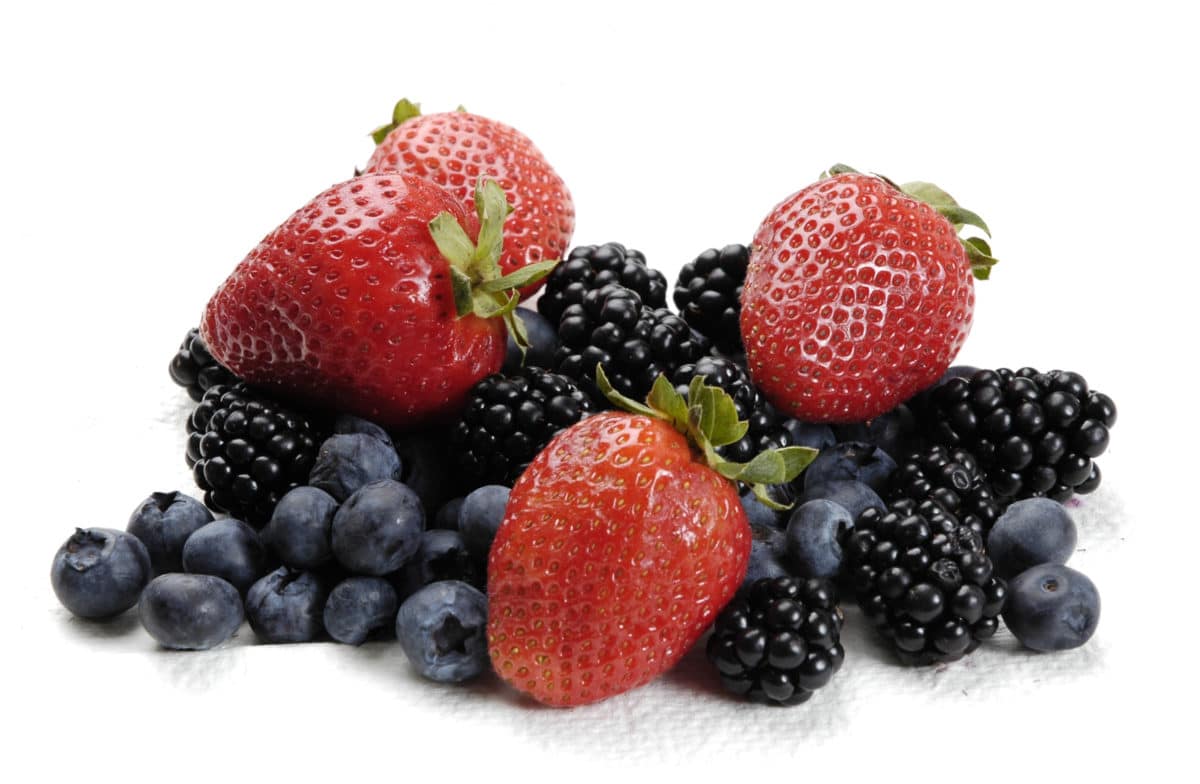
- •300 grams (2 cups) fresh, found berries, thawed if previously frozen. A mixture of berries is best.
- •150 grams (1 cup) steamed, cooled and peeled red beets
- •60 ml (scant ¼ cup) honey or agave syrup, or to taste


Preparation
Set dehydrator to 71°C/160°F degrees. If using an oven, use the lowest temperature possible.
In a blender, combine the berries and beets and blend, adding just enough water (60 ml [¼ cup] or less) for the consistency to be pour-able but not thin. Think jam, not syrup. Add sweetener to desired taste, adding a few more berries if needed to correct thickness. Dehydrating will concentrate the flavors and sweetness, as well.
Pour the mixture onto parchment or silpat lined dehydrator trays or baking sheets, and spread evenly to a thickness of 3-6mm (1/8 – ¼ inches.) The edges of the spread should be slightly thicker than the inside because they will dehydrate faster.
Dehydrate for 2 hours and then reduce temperature to 57°C/135°F degrees and allow to dehydrate for several more hours, checking frequently. I like fruit leather to be a little flexible and chewy, so I remove it when it’s still slightly tacky in the center but doesn’t tear when peeled from the liner.
Once the fruit leather is cool and dry, cut it into strips with scissors, roll each piece up in parchment paper and store in a sandwich bag in a dry place.
