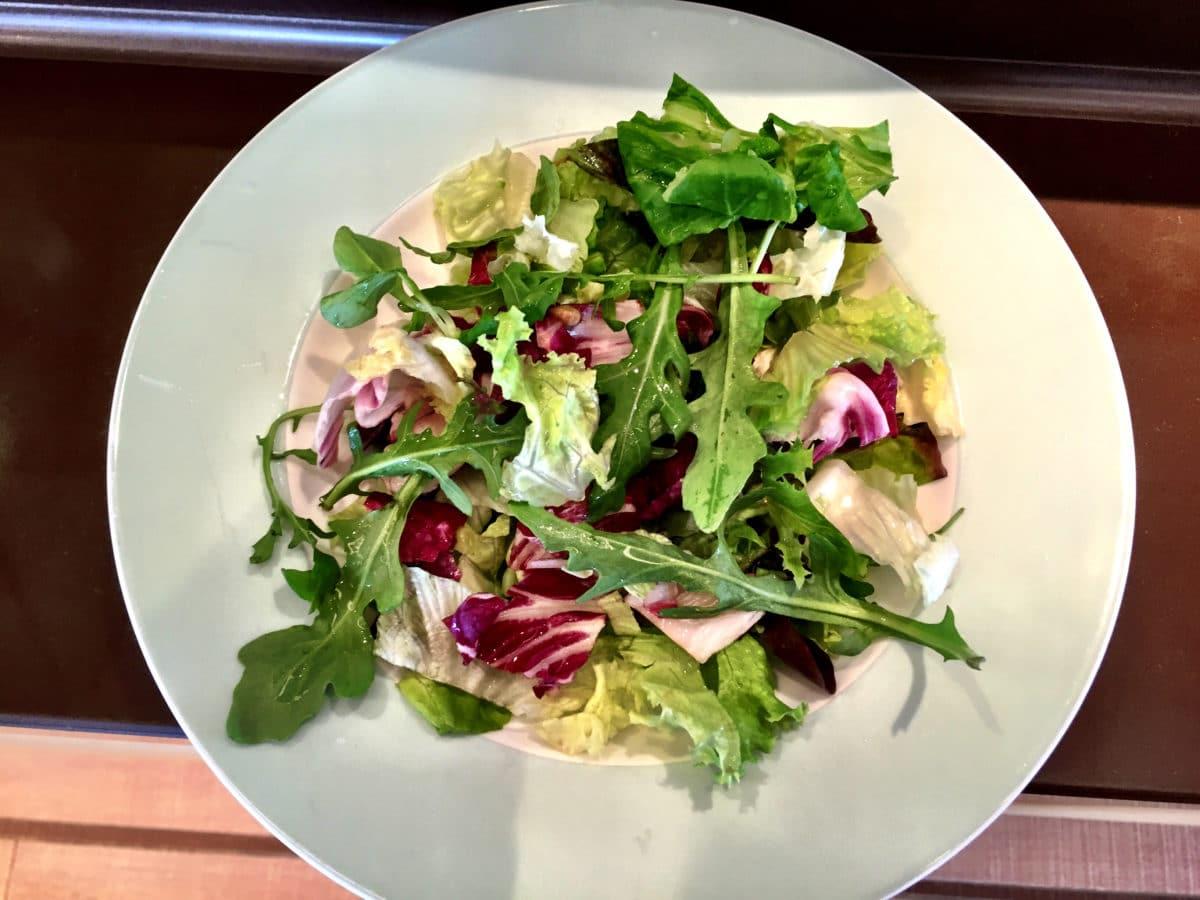
The first thing that impresses me about the food on the ultra-luxe cruise ship Europa 2 is the salad bar in the ship’s most casual restaurant, the buffet-style Yacht Club. Yes, you read that correctly — I’m referring to the humble salad bar. And what strikes me is not that it has a wide variety of choices or is particularly exotic. Rather, it is that all the greens are immaculately fresh and finely chopped into bite-sized pieces. Throughout my week on the ship, there was never one brown leaf edge, trailing stem, or green that had to be cut into a smaller size.
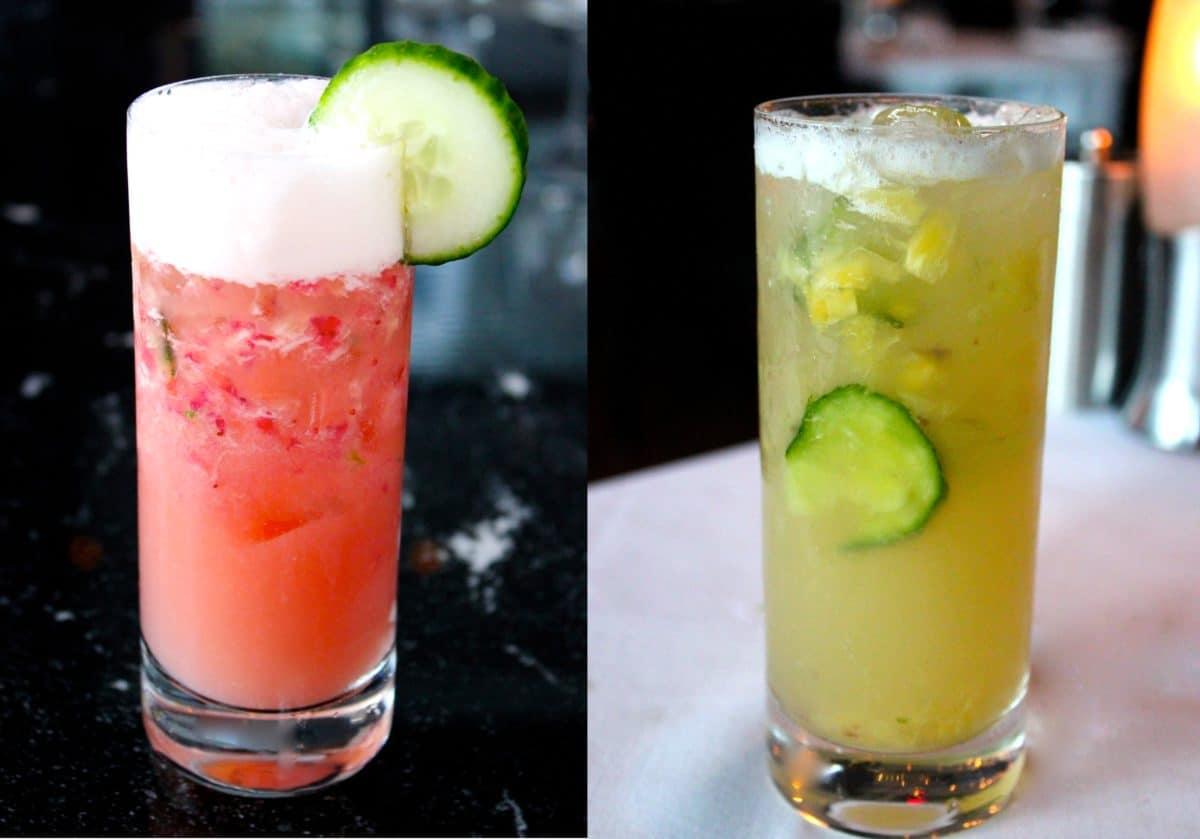
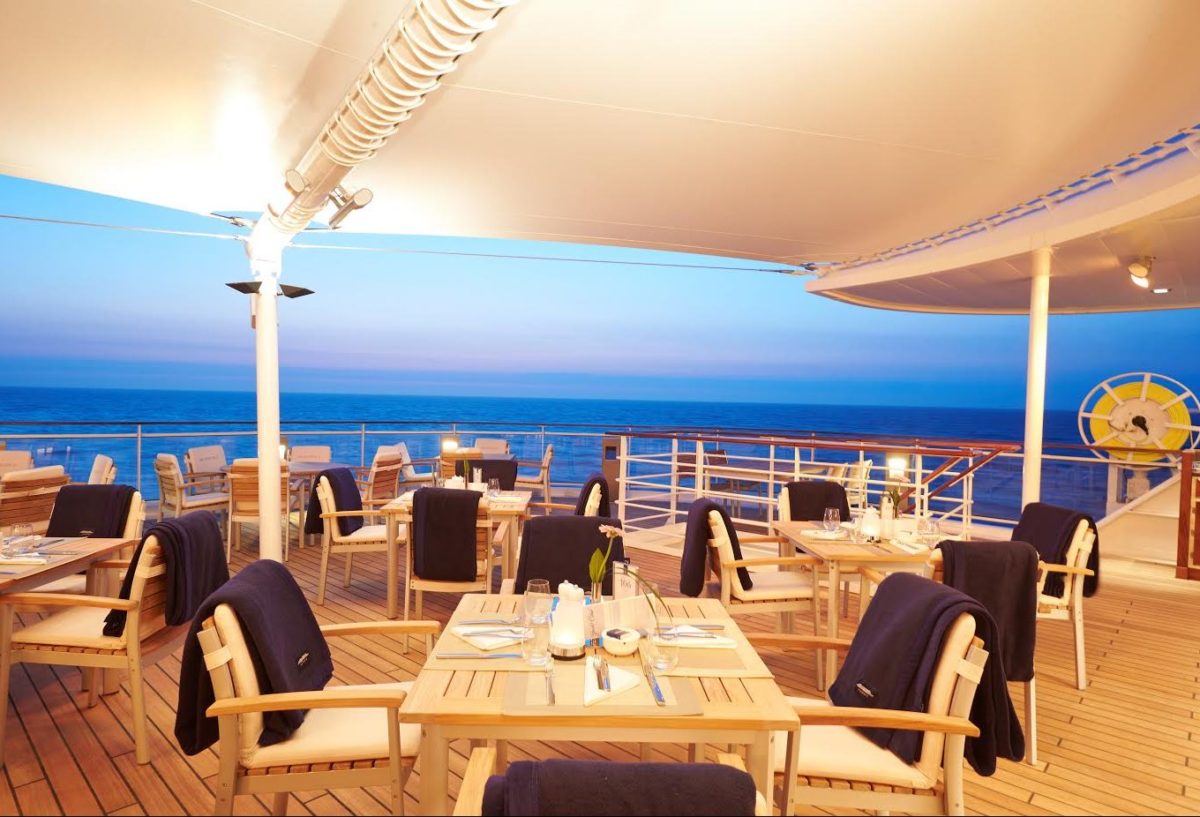
Launched in 2013 as one of four German-flagged Hapag Lloyd ships, the 500-passenger Europa 2 is the recipient of a “five-stars-plus” rating by the Berlitz Cruise Guide. As with other highly-rated ships, there’s a lot of emphasis on culinary offerings. So it’s not surprising that there are seven restaurants offering a variety of international fare — none of which require an upcharge or assigned seating — and an onboard culinary school. Specialty restaurants serve Italian, French, and Asian cuisine, and there’s a dedicated sushi bar. Six bars serve roughly 50 kinds of champagne and 500 different wines, among other spirits, and high tea is offered daily in an elegant, residentially-styled lounge.
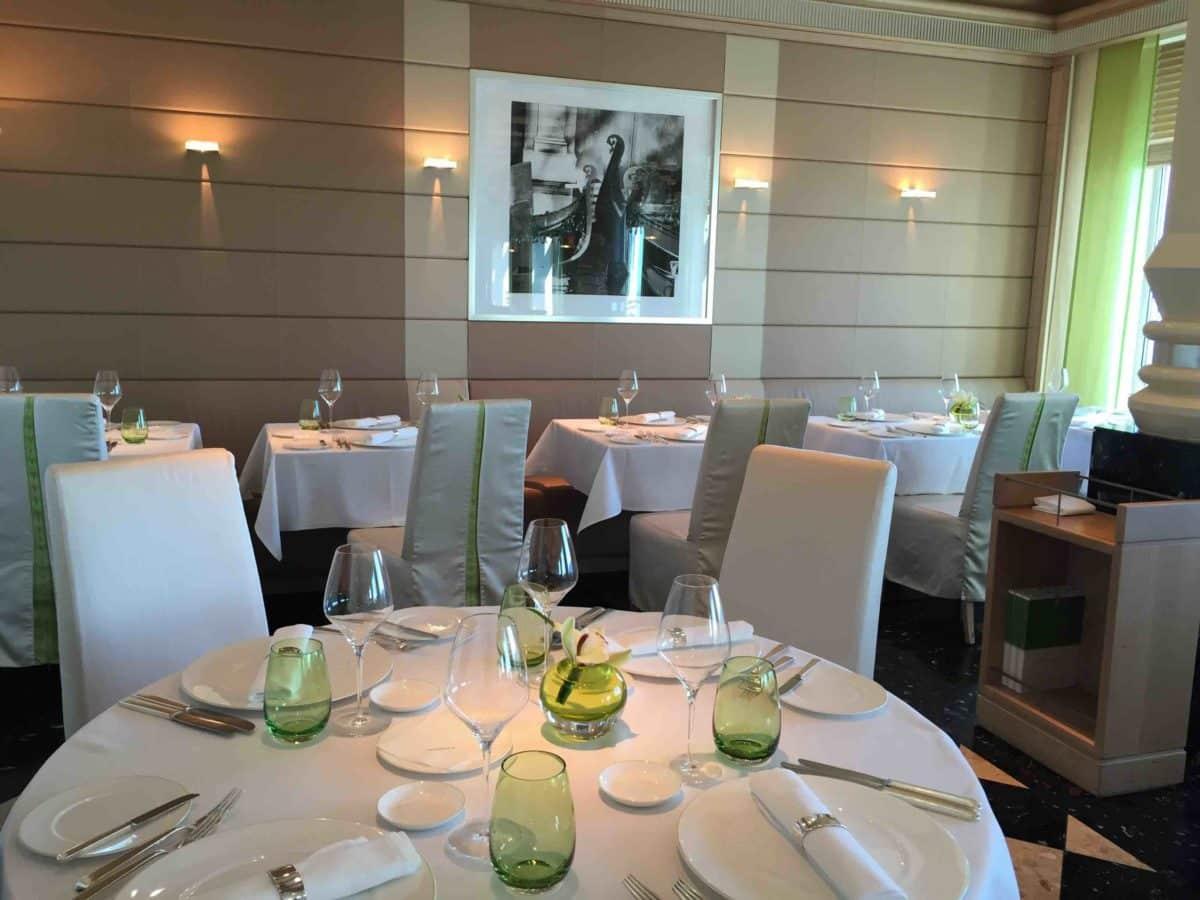
While such diversity is to be expected in the highly competitive cruise marketplace, it’s the attention to detail and the attentive European servers that set this ship’s food service apart. There are more deuce tables than the norm, to accommodate couples who prefer to dine with each other rather than in a group. Each restaurant reflects a thematic yet restrained and tasteful design esthetic. This extends to the tableware, which is styled to the theme and color-coordinated with the overall décor.
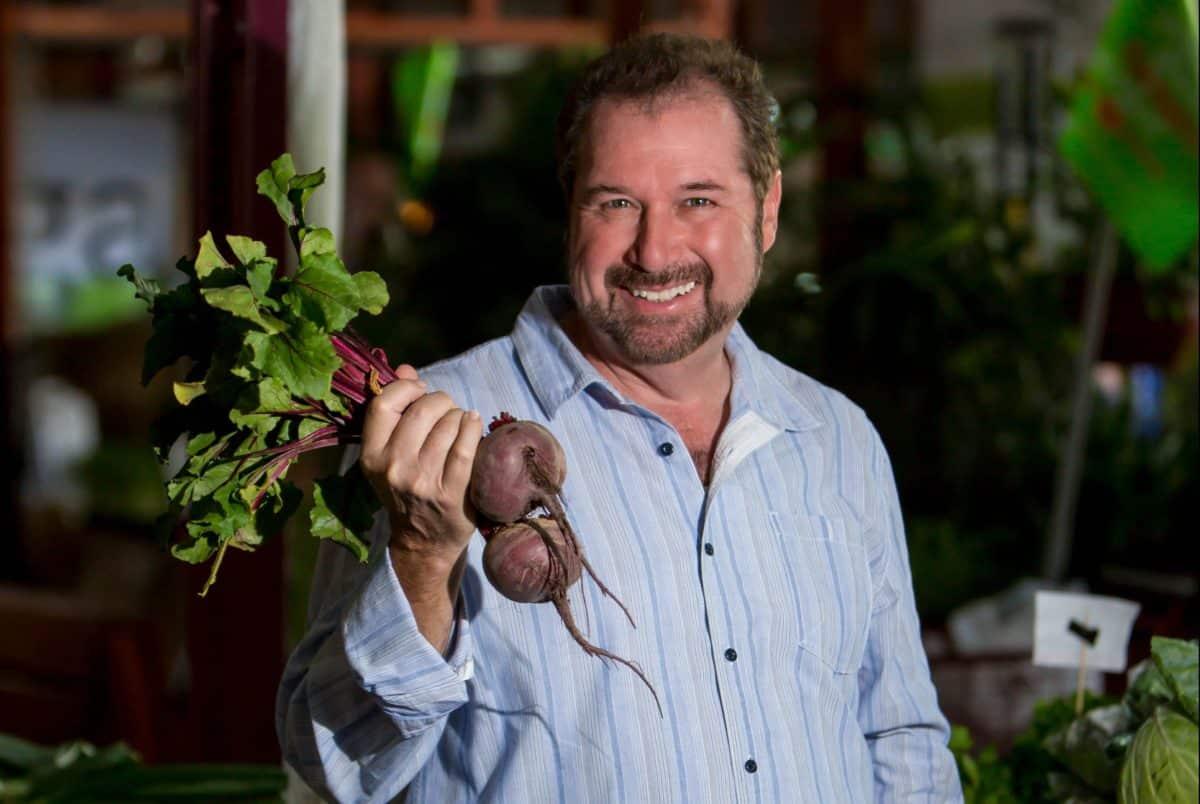
Behind the scenes, Executive Chef Willy Leitgeb supervises a staff of 55 cooks and 15 kitchen staff, overseeing day-to-day operations while at the same time planning the menus for future itineraries. When the Europa 2 sails in Europe, Chef Leitgeb plans menus four to five weeks in advance; for itineraries in North America or Asia, he plans three or more months in advance. During my Norway fjords sailing in July, he had already ordered Christmas chocolates for a Canada cruise.
On every cruise itinerary, there’s a certain amount of standard food offerings and also a certain amount of customization. “I have more leeway to vary the menu than on most ships,” says Chef Leitgeb, who for the past 15 years has been a chef on all four Hapag Lloyd vessels. “We do have corporate guidelines, but the ultimate decisions of how we use those guidelines is up to the chef. So we can offer local foods and tailor the menus for each cruise. This is unlike ships with set menus that are checked by the chef and may be customized a little, but never vary from the standard recipes.”
Menu fare on the Europa 2 always includes copious quantities of lobster and king crab legs, which are the most popular food choices overall — the kitchen will go through 80 to 90 kilos of lobster per cruise, says Chef Leitgeb. As well, passengers expect high-quality German fare, and there is always a variety of marinated fish, gourmet smoked hams and sausages, and fresh-baked breads.
But improvisation kicks in as well. “The menus in our restaurants change with the trends of what people like to eat, and also according to the needs of passengers on each cruise. On this cruise, we have more vegan passengers, and more non-dairy vegetarian offerings,” notes Leitgeb. He also plans regionally-inspired cuisine for different itineraries, such as tapas buffets in Spain and hummus and couscous buffets in Dubai.
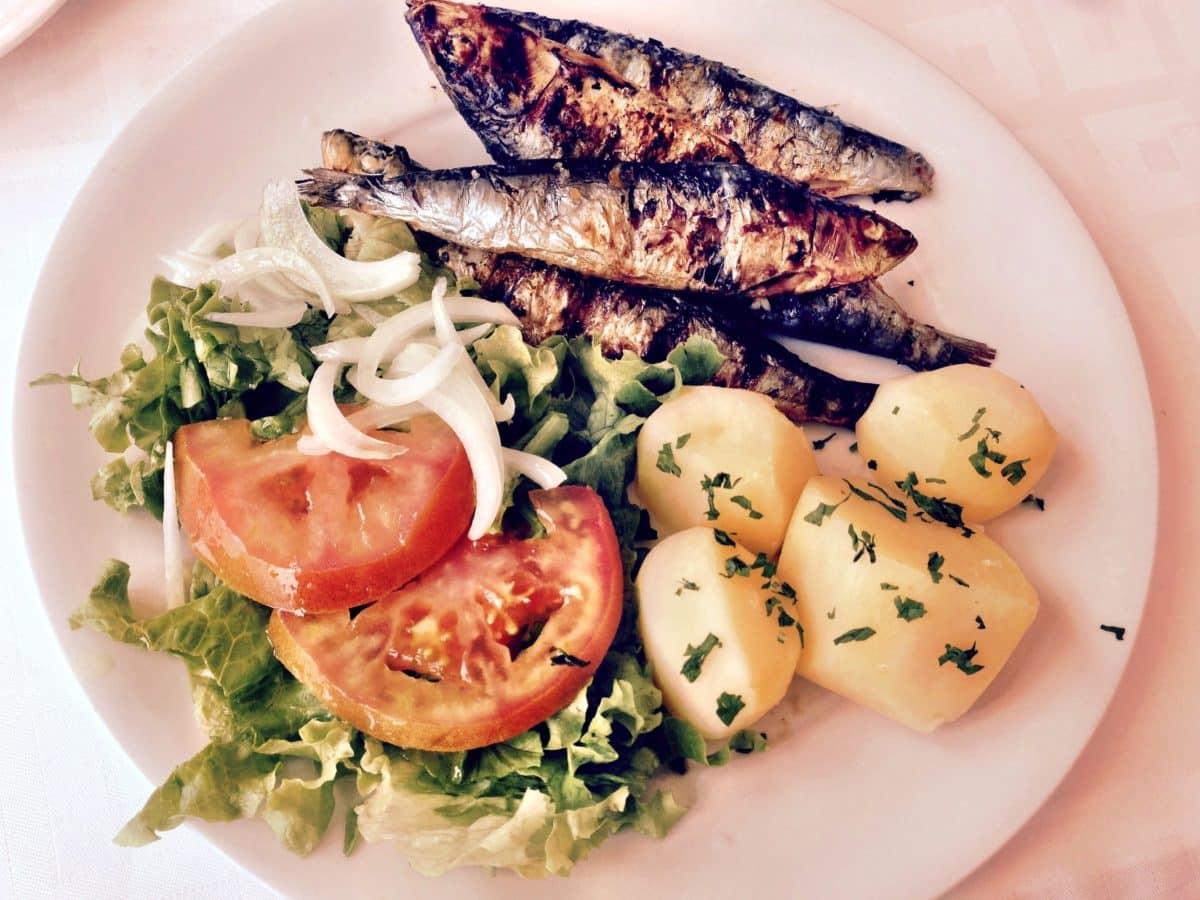
Whenever possible, Chef Leitgeb shops for regional fare at local markets. “After 20 years at sea, I know where the markets are in each destination,” he says. He stocked up on smoked meats and cheeses in the ship’s home port of Hamburg, Germany before our Norwegian fjords cruise (which started in Germany), and was planning to shop the market at our last port of call, Bergen, Norway, before the ship set sail for its next itinerary in the country’s far north. Among his favorite local markets are Cartagena, Spain, and Mumbai, India. “But if the market doesn’t look good, I won’t shop there.” (That happened when the ship stopped in Madagascar for the first time, and the chef found as many flies as people buzzing around the food.)
Sometime it’s not possible for Chef Leitgeb to purchase fresh fare, particularly when it comes to seafood and fish. In these cases, “frozen is okay, but only if the product is the very best quality,” he says. Lobster on the Norwegian fjords cruise was from Canada—high-pressure frozen and vacuum sealed just after it was caught, as were the crab legs from Alaska.
The pressures of his job notwithstanding, the amiable chef appears relaxed and enthusiastic when he talks about the complexities of being executive chef for a ship constantly striving to raise the bar. “From the time I was six years old, I wanted to be a cruise ship chef,” he says. “You need passion, and love for the job.”
First published October 2016